









What's Happening?
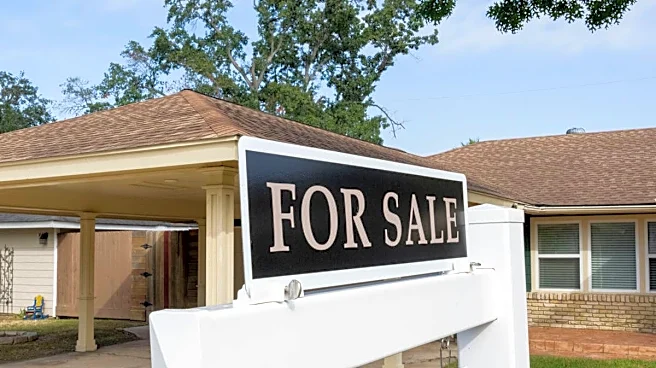
A new approach to addressing America's housing shortage suggests offering financial incentives to residents who oppose new developments, commonly known as NIMBYs ('Not In My Backyard'). This proposal, supported by several Democratic-aligned think tanks,
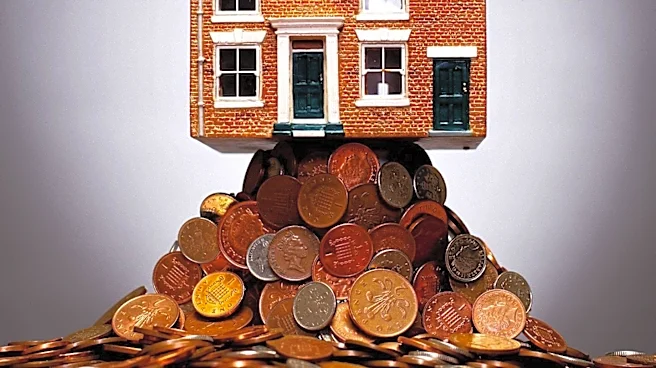
involves providing cash payments to residents if their community approves new housing projects. The idea is to counteract the opposition often faced from existing residents who fear changes to neighborhood character and property values. A study by political scientist Michael Hankinson and economists Edward Glaeser, Joseph Gyourko, and Morris Davis indicates that financial incentives could persuade residents to support new developments, with the required payment varying based on neighborhood density and wealth.
Why It's Important?
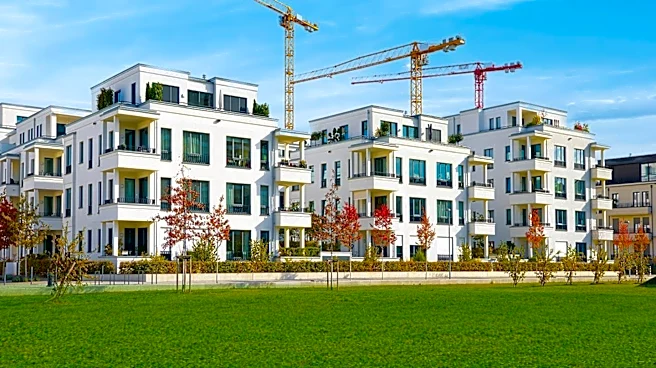
The housing shortage in the U.S. is a critical issue, affecting affordability and availability in many urban areas. Traditional methods of overcoming local opposition to new housing developments have often failed, as NIMBYs wield significant influence in local politics. By offering direct financial incentives, this new approach aims to create a shift in local political dynamics, potentially leading to increased housing production. If successful, it could provide a model for other regions facing similar challenges, helping to alleviate the housing crisis and improve access to affordable housing.
What's Next?
The proposal to pay NIMBYs is still in the conceptual stage, with further research needed to determine its feasibility and effectiveness. Policymakers and housing advocates will need to consider the potential economic implications and the logistics of implementing such a program. If adopted, it could lead to legislative changes at the local or state level to facilitate the distribution of payments. The response from communities and local governments will be crucial in determining the viability of this approach.