
What's Happening?
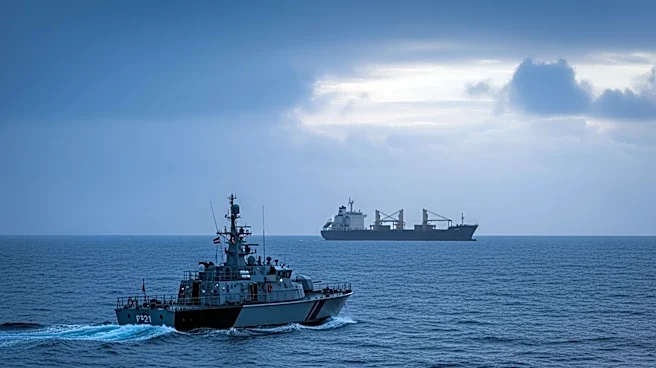
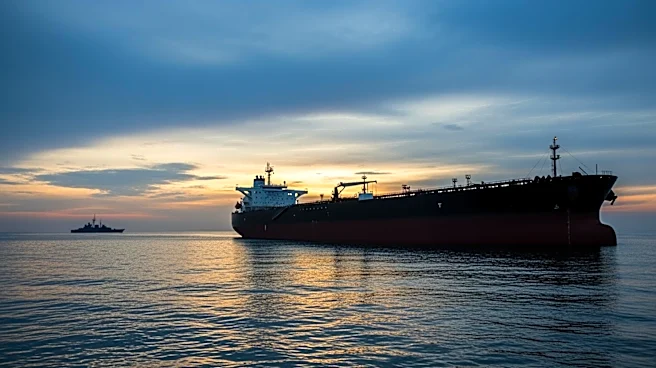
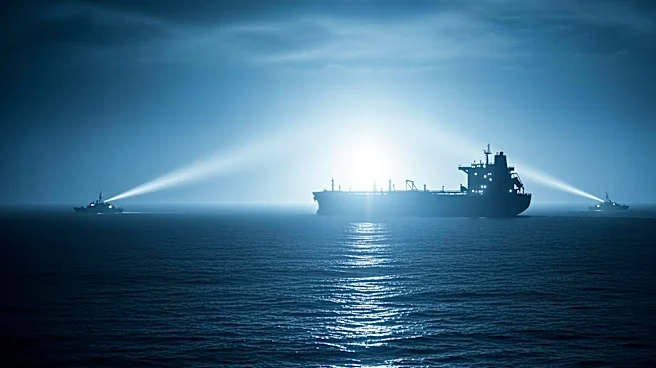
U.S. forces have boarded the M/T Tifani, an oil tanker previously sanctioned for smuggling Iranian crude oil, in the Bay of Bengal. The Pentagon announced that the operation was a 'right-of-visit maritime
interdiction' conducted without incident. This action is part of a broader U.S. strategy to enforce sanctions against Iran by targeting vessels suspected of carrying materials that could support the Iranian government. The tanker, flagged by Botswana, was captured as part of efforts to disrupt illicit networks and enforce global maritime sanctions. The U.S. military is currently deciding whether to tow the vessel back to the U.S. or hand it over to another country.
Why It's Important?
This operation underscores the ongoing tensions between the U.S. and Iran, particularly in the context of maritime enforcement and sanctions. The interception of the M/T Tifani highlights the U.S.'s commitment to maintaining pressure on Iran by targeting its oil exports, which are a significant source of revenue for the country. This move could further strain U.S.-Iran relations and impact global oil markets, as it demonstrates the U.S.'s willingness to enforce sanctions aggressively. The action also raises questions about the legality of such interdictions during a ceasefire, as the U.S. continues to enforce a blockade while Iran views these actions as violations.
What's Next?
The U.S. military will decide the fate of the M/T Tifani in the coming days, which could involve towing it to the U.S. or transferring it to another nation. This decision will likely influence future maritime enforcement actions and could provoke responses from Iran, potentially escalating tensions. The situation also places pressure on international bodies like the U.N. to address the legality of such actions during a ceasefire. Stakeholders, including global oil markets and diplomatic entities, will be closely monitoring the developments for any shifts in U.S.-Iran relations.
Beyond the Headlines
The interception of the M/T Tifani raises broader questions about the enforcement of international maritime law and the implications of unilateral actions by powerful nations. The U.S.'s approach to enforcing sanctions through maritime interdictions could set precedents for future conflicts, affecting global trade routes and international relations. Additionally, the legal ambiguity surrounding ceasefires and blockades highlights the complexities of international law in conflict situations, potentially influencing future diplomatic negotiations and military strategies.