


What's Happening?
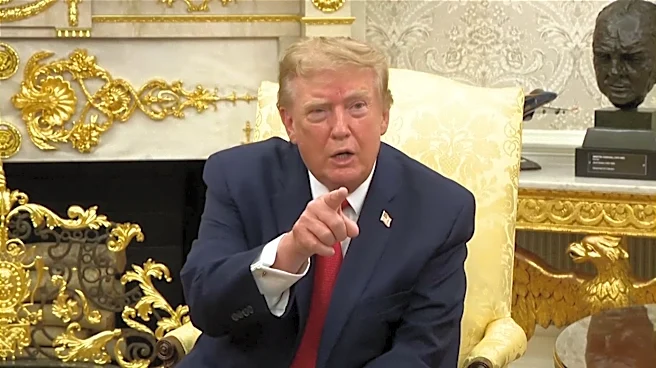
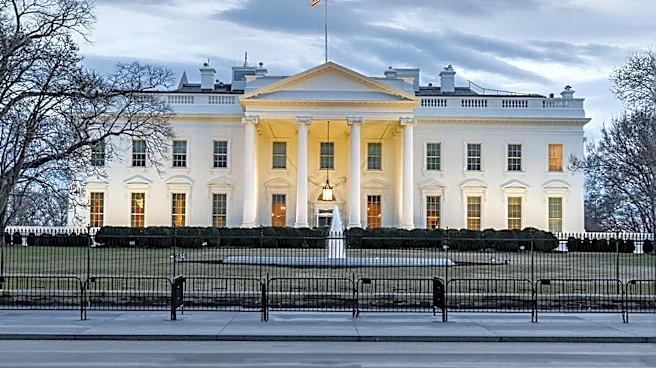
The White House has amplified President Trump's recent criticism of CNN reporter Kristen Holmes, specifically referencing her children in a social media post. During a Q&A session in the Oval Office on Monday, August 17, Holmes questioned President Trump about
Democratic Sen. Jon Ossoff's claim that he would rather 'travel with your aide Natalie Harp and build the ballroom than do your job as president.' President Trump responded by calling Ossoff 'Pee-Wee Herman' and later reprimanded Holmes, calling her 'disrespectful,' a 'fake reporter,' and a 'loud, boisterous person.' Following the event, the White House 'rapid response' account on X posted that Holmes was 'a disgraceful, humiliating embarrassment to her alleged profession' and added, 'Someday, your children will come across your disgusting and inhumane question. They will be sickened and embarrassed to have a parent be so callous and vindictive. It’s quite troubling.' CNN issued a statement supporting Holmes, asserting that she asked a 'tough, relevant, and newsworthy question' and condemned personal attacks on journalists.
Why It's Important?
This incident highlights escalating tensions between the White House and certain media outlets, particularly CNN, and raises concerns about the treatment of journalists. The White House's decision to involve a reporter's children in a public attack is a significant departure from traditional political discourse and could be seen as an attempt to intimidate or discredit critical reporting. This approach may further erode public trust in both the media and government institutions. For journalists, it creates a more hostile environment, potentially impacting their ability to conduct their work without fear of personal reprisal. The broader implications include a potential chilling effect on investigative journalism and a further polarization of the media landscape, where reporting is increasingly viewed through a partisan lens rather than as an objective pursuit of truth. The use of official government channels to launch personal attacks also sets a precedent that could normalize such behavior in future administrations.
What's Next?
The immediate aftermath will likely see continued debate and reactions from media organizations, political commentators, and civil society groups regarding the appropriateness of the White House's actions. CNN has already issued a statement of support for Kristen Holmes, and other news outlets may follow suit, emphasizing the importance of a free press. It is possible that President Trump or his administration will continue to engage in similar rhetoric, further intensifying the conflict with the media. Conversely, there might be calls for greater restraint and adherence to professional conduct from both sides. The incident could also influence public perception of the upcoming election cycle, with voters potentially weighing how candidates interact with the press. Legal or ethical challenges against the White House's use of social media for personal attacks are also a possibility, though the direct legal avenues for such actions are often limited.
Beyond the Headlines
The deeper implications of this event extend to the fundamental principles of a free press and democratic governance. The targeting of a journalist's family, particularly children, crosses a line that many consider to be beyond acceptable political discourse. This tactic can be seen as an attempt to dehumanize journalists and undermine their credibility, making it easier for the public to dismiss their reporting. It also raises questions about the role of official government social media accounts and the ethical boundaries of their use. In a broader sense, this incident contributes to a climate where facts are increasingly contested, and the media is often labeled as an 'enemy of the people.' This erosion of trust in established institutions can have long-term consequences for informed public debate and the health of democratic processes. The incident also underscores the psychological toll on journalists who are subjected to such personal attacks, potentially leading to self-censorship or a reluctance to pursue challenging stories.