






What's Happening?
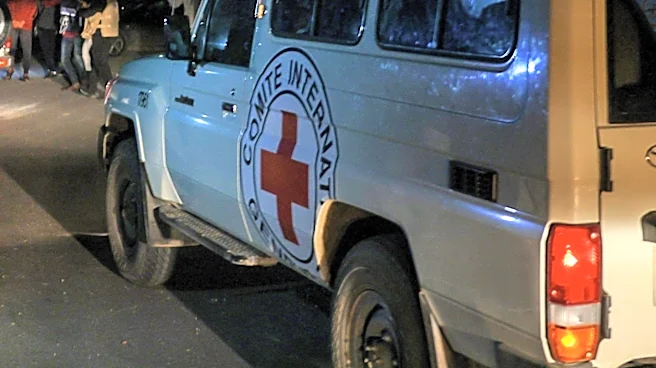
The International Federation of Red Cross and Red Crescent Societies (IFRC) is recruiting a Mechanic-Driver for its operations in Bunia, Congo. This position is critical for maintaining the IFRC's fleet of vehicles and generators, ensuring they are in optimal
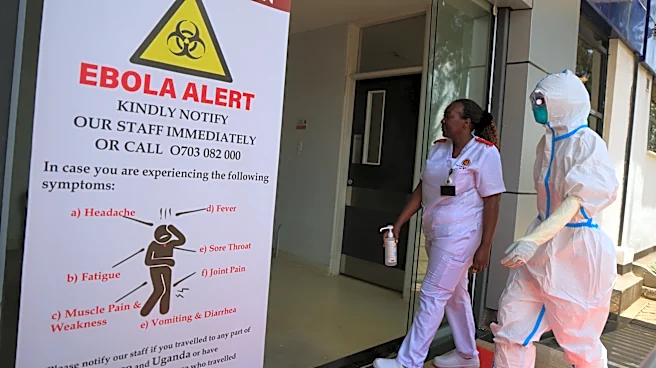
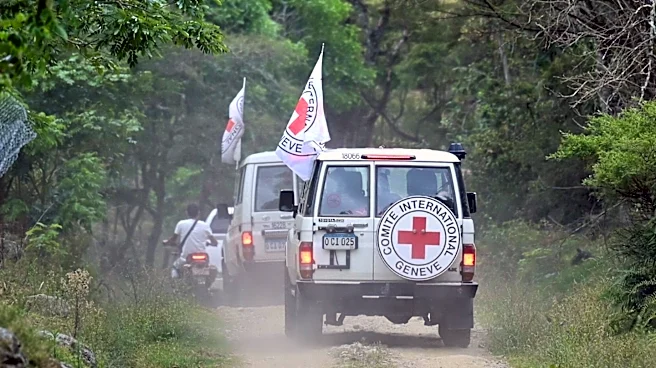
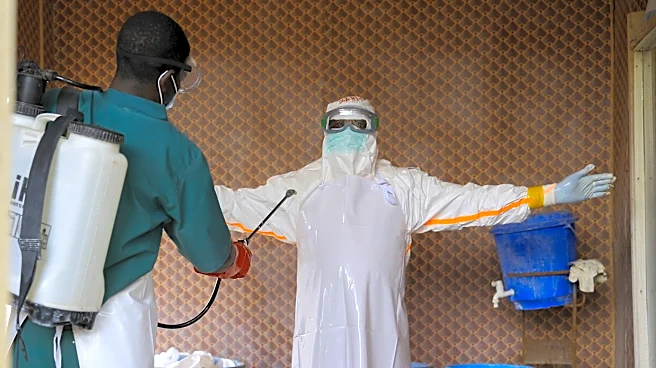
working condition to support humanitarian efforts. The role involves performing maintenance and repairs on both heavy and light-duty vehicles, identifying malfunctions, and conducting inspections. Additionally, the Mechanic-Driver will participate in missions as a driver, adhering to strict safety standards and the IFRC's code of conduct for drivers. This recruitment comes amidst an ongoing Ebola outbreak, caused by the Bundibugyo strain, which has led to thousands of suspected cases and deaths across Ituri, South Kivu, and North Kivu provinces, exacerbating humanitarian needs in a region with weak health systems and insecurity.
Why It's Important?
The Mechanic-Driver position is vital for the IFRC's ability to deliver timely and coordinated humanitarian action in a challenging environment. Reliable transportation is essential for distributing aid, transporting personnel, and facilitating medical responses, especially during an active Ebola outbreak where rapid containment is crucial. The absence of an approved vaccine or specific treatment for the Bundibugyo strain makes the logistical support provided by this role even more critical. By ensuring the operational readiness of vehicles and equipment, the Mechanic-Driver directly contributes to the IFRC's capacity to reach vulnerable populations, support health and wellbeing initiatives, and respond effectively to crises. The role also upholds the IFRC's image through professional conduct and adherence to safety regulations.
What's Next?
Following the recruitment, the selected Mechanic-Driver will be responsible for the ongoing maintenance and repair of IFRC vehicles and generators, ensuring all equipment is ready for immediate deployment. This will involve regular inspections, timely reporting of defects, and strict compliance with IFRC safety standards. The individual will also be expected to participate in field missions as a driver-mechanic, adapting to road conditions and maintaining vehicle logbooks. The continuous operational readiness of the fleet will directly support the IFRC's response to the Ebola outbreak and other humanitarian needs in the region, facilitating the movement of aid and personnel to affected areas.
Beyond the Headlines
This role highlights the often-overlooked logistical backbone of humanitarian aid. While the focus is often on direct medical or relief efforts, the ability to move resources and personnel effectively is fundamental to any successful intervention. In contexts like the Ebola outbreak in Congo, where infrastructure may be limited and security concerns are prevalent, the reliability of transportation can be a matter of life and death. The IFRC's emphasis on strict safety standards and professional conduct for its drivers also reflects a broader commitment to accountability and minimizing risks in complex operational environments. This position, therefore, is not just about mechanics and driving, but about enabling the entire humanitarian ecosystem to function in challenging circumstances.