



What's Happening?
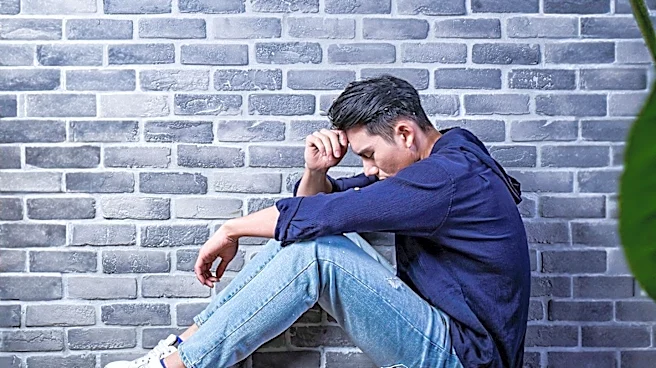
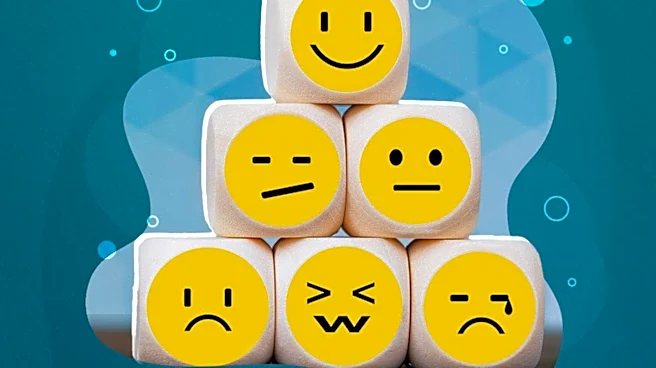
Adjustment disorder in men frequently presents differently than commonly perceived emotional distress, often appearing as anger, irritability, withdrawal, overworking, risky behavior, substance use, sleep problems, or physical complaints rather than overt
sadness. These manifestations are often linked to a specific stressful event or major life transition, such as job loss, divorce, or illness. Social expectations play a significant role, as men may feel conditioned to suppress emotions or handle problems independently, leading them to minimize emotional pain or express it through behavioral changes. Family members might notice personality shifts or behavioral issues before the individual recognizes them as signs of distress. A clinical assessment is crucial to determine if symptoms are consistent with adjustment disorder or another mental health condition, considering the stressor, timing, severity, and impact on daily life.
Why It's Important?
The misinterpretation of adjustment disorder symptoms in men can lead to delayed diagnosis and treatment, exacerbating mental health challenges and potentially resulting in harmful coping mechanisms like increased substance use or risky behaviors. This issue highlights the broader societal impact of traditional masculine norms that discourage emotional expression, contributing to a silent crisis in men's mental health. Recognizing these varied manifestations is vital for healthcare providers, family members, and individuals to identify distress early and seek appropriate support. Early intervention can prevent the escalation of symptoms, improve coping strategies, and foster healthier emotional processing, ultimately enhancing men's overall well-being and their ability to function in daily life and relationships.
What's Next?
Increased awareness and education are needed to help both men and their support networks recognize the diverse ways adjustment disorder can manifest. Mental health professionals may need to adapt assessment and treatment approaches to account for these gender-specific expressions of distress. Campaigns aimed at destigmatizing men's mental health and encouraging emotional literacy could promote earlier help-seeking. Family members can be trained to observe behavioral changes and offer support constructively, focusing on observed impacts rather than labeling emotions. The development of more accessible and tailored mental health services that address the unique challenges men face in expressing vulnerability will be crucial for improving outcomes.
Beyond the Headlines
The differing presentation of adjustment disorder in men underscores a deeper cultural issue regarding masculinity and emotional expression. Society often reinforces a narrow definition of masculinity that equates strength with emotional stoicism, inadvertently penalizing men for showing vulnerability or seeking help. This cultural conditioning can lead to a profound internal conflict for men experiencing distress, as they may feel compelled to uphold an image of strength while struggling internally. The long-term implications include higher rates of suicide, chronic stress-related illnesses, and strained relationships. Addressing this requires a fundamental shift in societal norms, promoting a more expansive and inclusive understanding of masculinity that values emotional health and encourages men to engage with their feelings and seek support without fear of judgment.