





What's Happening?
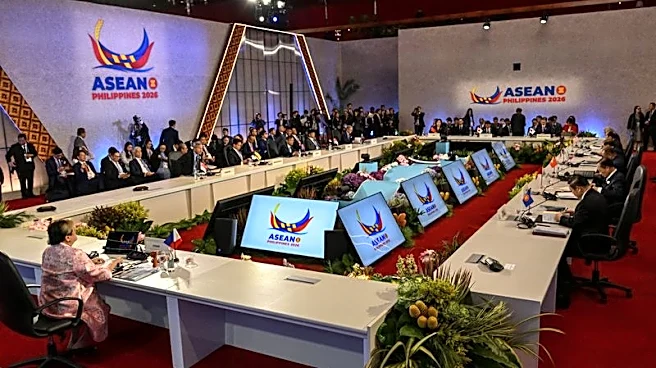
Negotiations for a global treaty on plastic pollution have faced significant challenges, with 183 nations unable to reach an agreement on reducing plastic production. The International Negotiating Committee (INC) meeting in August last year ended without
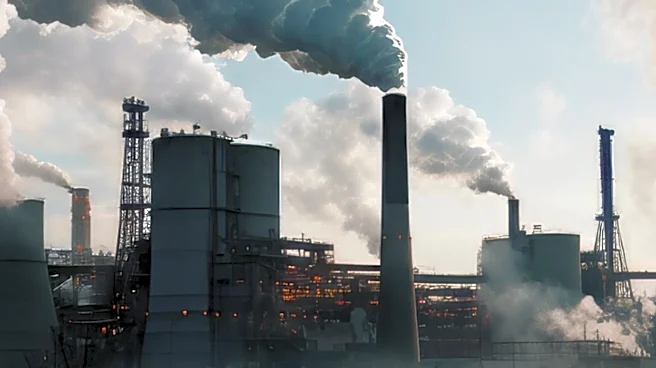
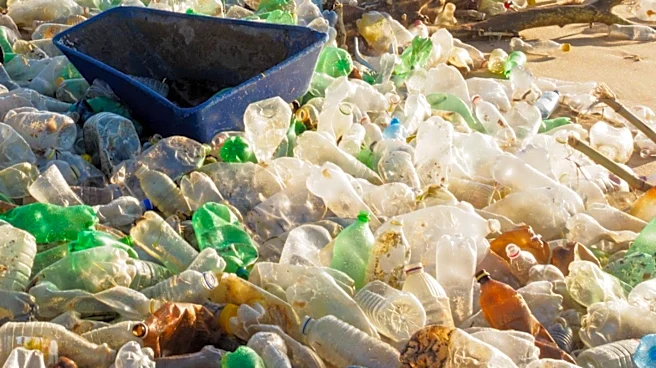
a resolution, leading to the resignation of the chair. Concerns have been raised about the influence of powerful oil- and plastic-producing countries, such as Saudi Arabia and the U.S., in informal meetings that could steer the treaty process. These meetings, like the one in Tokyo led by Japan, have been criticized for lacking transparency and excluding key voices. The ongoing debate centers around whether the treaty should address the root causes of plastic pollution, such as oil extraction and plastic production, or focus on waste management.
Why It's Important?
The outcome of these negotiations holds significant implications for global environmental policy and the fight against plastic pollution. A treaty that effectively addresses the root causes of plastic pollution could lead to substantial reductions in plastic waste and its environmental impact. However, if powerful nations influence the treaty to focus on less impactful measures, the opportunity to make meaningful progress could be lost. The exclusion of certain countries and civil society groups from the negotiation process raises concerns about the fairness and inclusivity of the treaty, potentially leading to a weaker agreement that does not adequately address the needs of those most affected by plastic pollution.
What's Next?
As negotiations continue, the challenge will be to balance efficiency with inclusivity, ensuring that all countries and stakeholders have a voice in the process. The next steps involve addressing the concerns of excluded groups and ensuring that the treaty process remains transparent and equitable. Observers and civil society organizations are pushing for greater involvement in the negotiations to provide vital legal and scientific support to developing countries. The success of the treaty will depend on the ability of negotiators to reach a consensus that addresses the root causes of plastic pollution while maintaining the support of all participating nations.