







What's Happening?
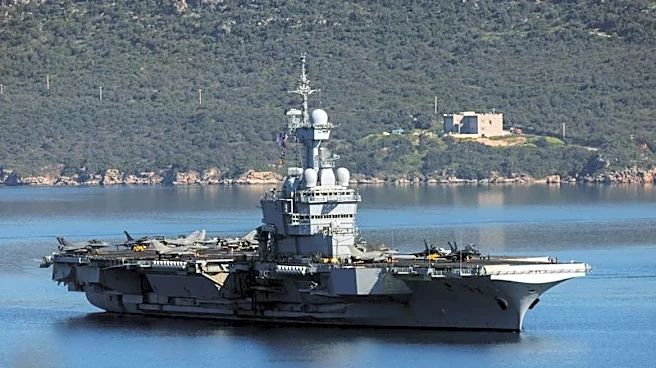
U.S. Energy Secretary Chris Wright announced that Iran has reduced its oil production by 400,000 barrels per day due to a U.S. naval blockade of Iranian ports. This blockade has significantly decreased Tehran's oil exports, resulting in a growing stockpile
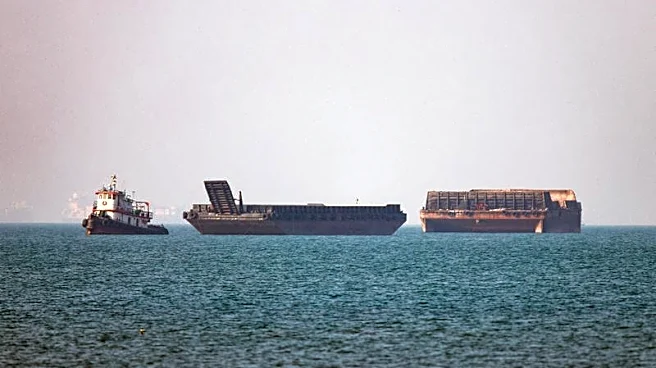
of crude oil on tankers as Iranian storage facilities reach capacity. According to oil analytics firm Vortexa, only a few carriers have transported Iranian crude from the Gulf of Oman between April 13 and 25, marking an over 80% decrease compared to March, when Iran exported 23.4 million barrels. The blockade is part of broader U.S. efforts to pressure Iran into ending its nuclear program and restoring the flow of traffic through the Straits of Hormuz.
Why It's Important?
The reduction in Iranian oil production and exports has significant implications for global oil markets and geopolitical dynamics. The U.S. blockade aims to exert pressure on Iran to comply with international demands regarding its nuclear program. This situation could lead to increased volatility in global oil prices, affecting economies worldwide. The reduction in Iranian oil supply may also impact countries reliant on Iranian crude, potentially leading to shifts in energy sourcing and pricing. Additionally, the blockade underscores ongoing tensions in the Middle East, with potential repercussions for regional stability and international relations.
What's Next?
The continuation of the U.S. naval blockade and Iran's response will be critical in determining future developments. If Iran continues to reduce its oil production, global oil supply could tighten further, potentially driving up prices. The international community will likely monitor the situation closely, with potential diplomatic efforts to resolve the standoff. The U.S. may also face pressure from allies and global stakeholders to find a resolution that ensures stability in the oil markets and addresses security concerns in the region.