




What's Happening?
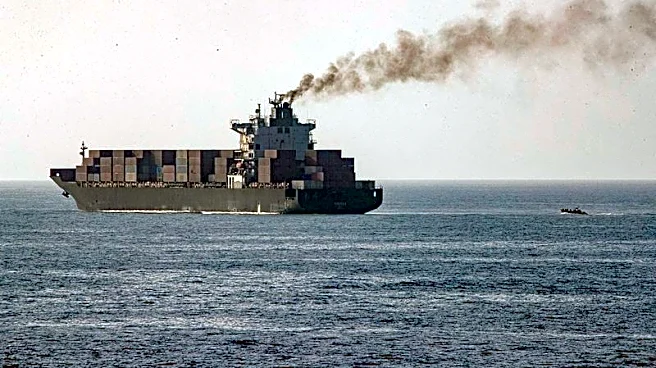
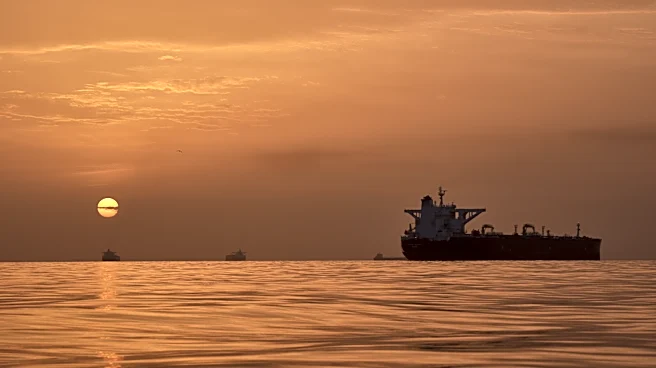
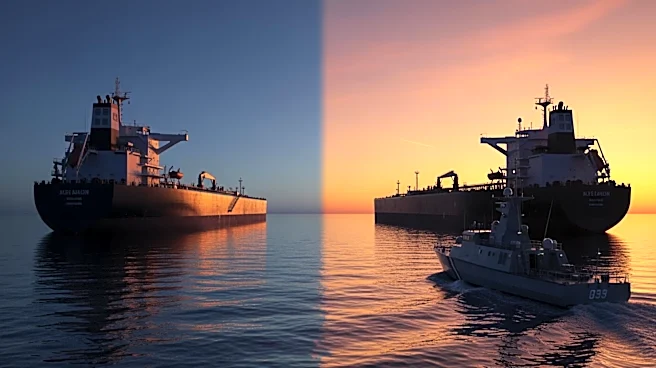
Iran has announced that it is now receiving payments for allowing ships to pass through the Strait of Hormuz, a critical maritime chokepoint for global oil transportation. According to Iran's Tasnim news agency, the first revenues from these tolls have
been deposited in the country's central bank. However, details regarding the payers and the amounts remain undisclosed and unverified. The tolls reportedly vary based on cargo type, volume, and risk level, with fees potentially reaching up to $2 million per vessel. This development follows months of speculation about Iran's intentions to charge for passage through the strait, despite previous denials from its embassy in India. The tolls could add significant costs to the oil market, with estimates suggesting an increase of up to $20 million daily. Ships from various countries, including Malaysia, China, and India, have reportedly navigated the strait, though it is unclear if they have paid the tolls.
Why It's Important?
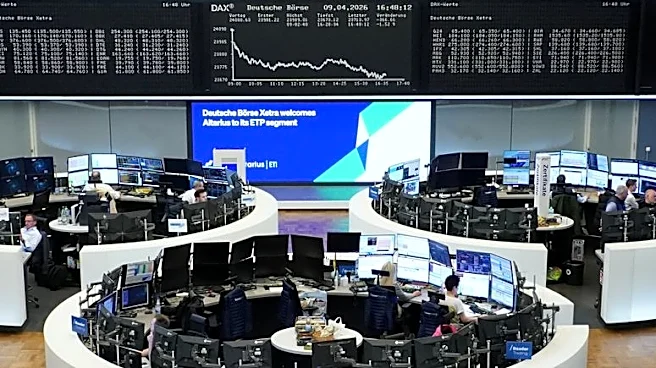
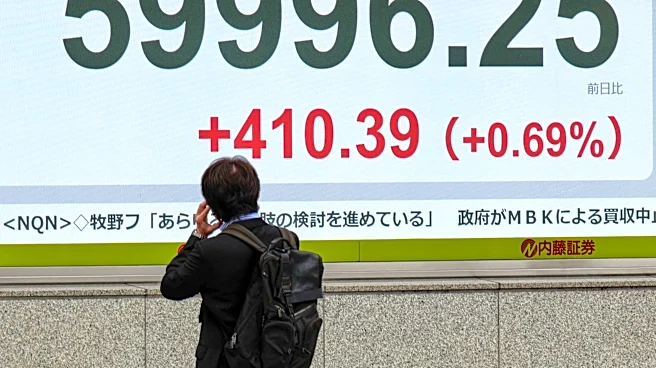
The imposition of tolls by Iran on the Strait of Hormuz has significant implications for the global oil market. As a major transit route for oil, any additional costs could lead to increased oil prices worldwide. The tolls are expected to primarily affect Gulf oil producers, potentially raising global oil prices by 5 to 40 cents per barrel. This development comes amid ongoing geopolitical tensions and sanctions, particularly from the United States and the United Kingdom, which complicate financial transactions with Iran. The U.S. has taken a firm stance against these tolls, with President Trump ordering the U.S. Navy to target vessels that comply with Iran's demands. This situation could escalate tensions in the region and impact international trade and energy security.
What's Next?
The international community, particularly countries reliant on oil imports through the Strait of Hormuz, will likely monitor the situation closely. The U.S. and its allies may consider further diplomatic or military responses to counter Iran's toll imposition. Additionally, oil producers and traders will need to assess the financial impact of these tolls on their operations and pricing strategies. The potential for increased tensions in the region could lead to further volatility in the global oil market, affecting economies worldwide. Stakeholders will be watching for any changes in Iran's toll policies or international responses that could alter the current dynamics.