






What's Happening?
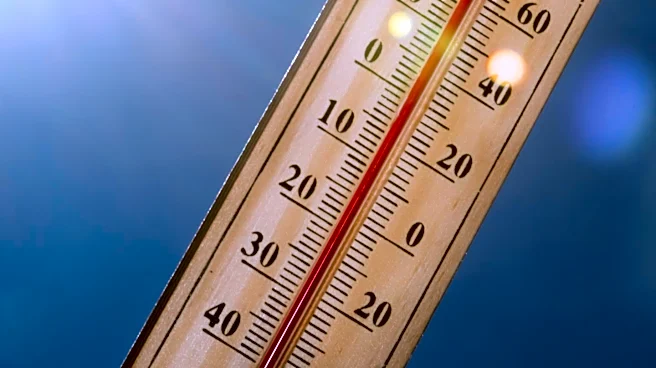
The first half of 2026 has seen unprecedented heatwaves across North America and Europe, with temperatures reaching record highs. In Germany, temperatures soared to 41.8°C, surpassing previous records. Studies indicate a strong link between these heatwaves and climate
change, with Europe warming at more than twice the global average rate. In the U.S., heatwaves have resulted in dangerously high temperatures, affecting both humans and animals. The heat has also led to significant economic impacts, including reduced labor productivity and disruptions in infrastructure and agriculture.
Why It's Important?
These extreme weather events underscore the urgent need for action on climate change. The increasing frequency and intensity of heatwaves pose significant risks to public health, agriculture, and economic stability. The financial impact is substantial, with productivity losses and infrastructure damage contributing to economic strain. This situation calls for enhanced climate resilience measures and policies to mitigate the effects of climate change. The data also highlights the importance of international cooperation in addressing global warming and its consequences.
Beyond the Headlines
The heatwaves are a stark reminder of the broader implications of climate change, including ethical and social dimensions. Vulnerable populations, particularly in developing regions, are disproportionately affected by extreme weather, raising concerns about climate justice. Additionally, the long-term impacts on biodiversity and ecosystems could have cascading effects on global food security and health. These developments emphasize the need for comprehensive strategies that integrate environmental, social, and economic considerations in climate policy.