




What's Happening?
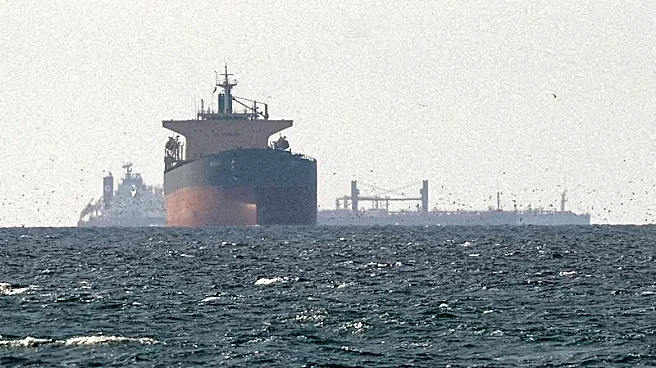
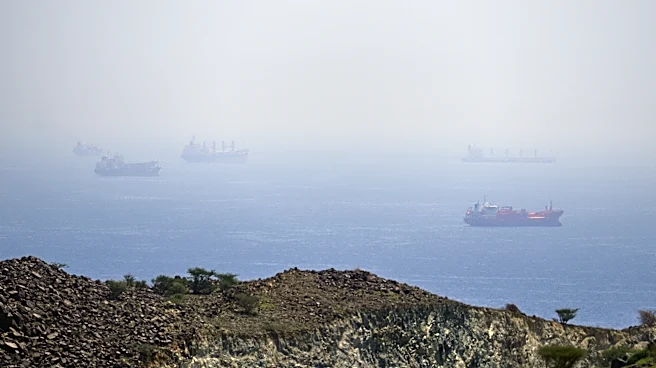
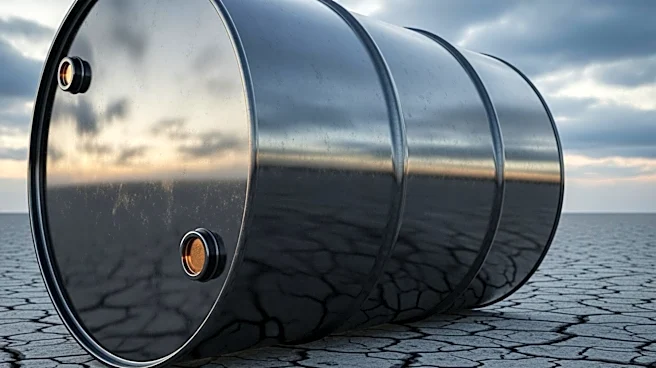
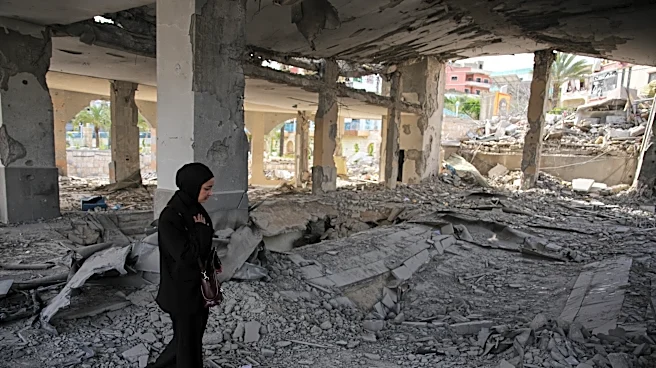
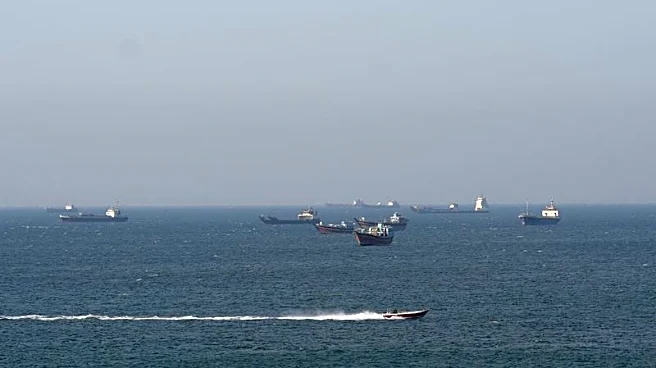
The ongoing conflict involving the United States, Israel, and Iran has led to what is being described as the most severe energy crisis in history. According to the head of the International Energy Agency (IEA), the situation is exacerbated by the disruption
of maritime traffic in the Strait of Hormuz, a critical passage for global oil and liquefied natural gas. This crisis is compounded by the effects of the Russia-Ukraine conflict, which has already disrupted gas supplies to Europe. In response, the IEA has released a record 400 million barrels of oil from strategic reserves to mitigate rising oil prices.
Why It's Important?
This energy crisis has significant implications for global markets, particularly affecting energy prices and supply chains. The disruption in the Strait of Hormuz impacts a substantial portion of the world's oil and gas flow, potentially leading to increased energy costs and economic instability. The situation highlights the vulnerability of global energy infrastructure to geopolitical conflicts and the need for diversified energy sources. The crisis also underscores the interconnectedness of global energy markets and the potential for regional conflicts to have widespread economic repercussions.
What's Next?
The international community may need to explore diplomatic solutions to ease tensions in the Middle East and ensure the security of critical energy routes. Additionally, countries might accelerate efforts to diversify energy sources and invest in renewable energy to reduce dependency on volatile regions. The IEA and other international bodies could play a crucial role in coordinating responses to stabilize energy markets and support affected economies.