





What's Happening?
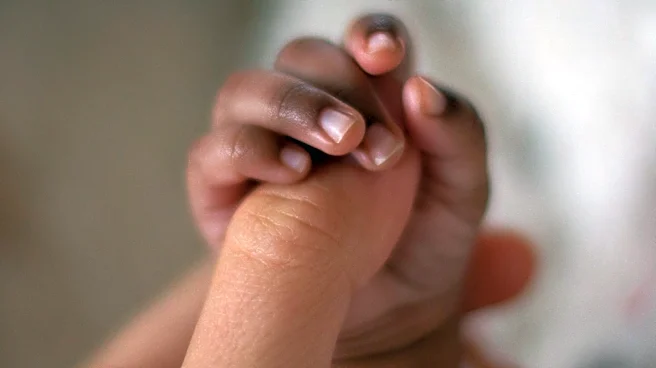
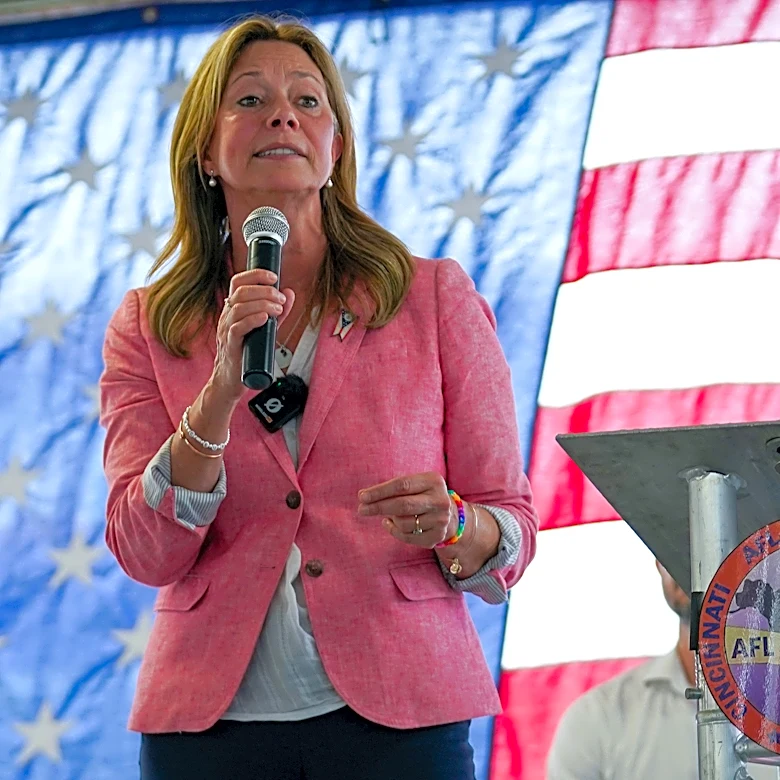
Massachusetts Governor Maura Healey has announced plans to expand a state program that would provide home visits by nurses to families with newborns. The Governor is seeking $2 million to make these voluntary home visits available statewide. Governor Healey stated
that every family with a new baby would receive a home visit within days or weeks, offering healthcare providers an opportunity to conduct an assessment. This proposal has generated significant discussion, with some commentators expressing concerns about potential government overreach into private lives, despite the program being described as voluntary. The announcement follows the Lindsay Clancy trial, where postpartum psychosis was a key defense for a mother accused of killing her children, highlighting the need for maternal and infant health support.
Why It's Important?
This initiative is important as it represents a significant investment in public health infrastructure aimed at supporting new families and potentially addressing critical maternal and infant health issues. The program's expansion could lead to earlier identification of health concerns in newborns and mothers, including postpartum mental health conditions, which can have severe consequences if left unaddressed. However, the debate surrounding the program's voluntary nature versus potential future mandates touches upon fundamental questions about the role of government in citizens' private lives. The discussion reflects a broader societal tension between public welfare initiatives and individual liberties, with implications for how similar programs might be perceived and implemented in other states. The success or challenges faced by this program in Massachusetts could influence policy decisions nationwide regarding family support and government intervention.
What's Next?
The proposal for $2 million in funding will likely undergo legislative review and debate within Massachusetts. Stakeholders, including healthcare professionals, parent advocacy groups, and civil liberties organizations, are expected to weigh in on the program's implementation and potential long-term implications. The state will need to clearly communicate the voluntary nature of the visits to alleviate public concerns about government intrusion. If approved, the program's rollout will be closely watched to assess its effectiveness in improving maternal and infant health outcomes and to monitor public reception. The ongoing discussion about the balance between state support and individual privacy will continue to shape the program's future and potentially influence similar initiatives in other U.S. states.
Beyond the Headlines
Beyond the immediate policy implications, this initiative highlights the evolving understanding of public health and the role of government in supporting family well-being. The program's focus on early intervention for newborns and mothers, particularly in the context of mental health, reflects a growing recognition of the critical period following childbirth. However, the public's reaction also underscores a deep-seated skepticism about government involvement in personal matters, especially when it pertains to family and child-rearing. This tension between collective welfare and individual autonomy is a recurring theme in American society. The program's success will not only depend on its health outcomes but also on its ability to build trust with the public and demonstrate its value without infringing on perceived personal freedoms, potentially setting a precedent for future social programs.