




What's Happening?
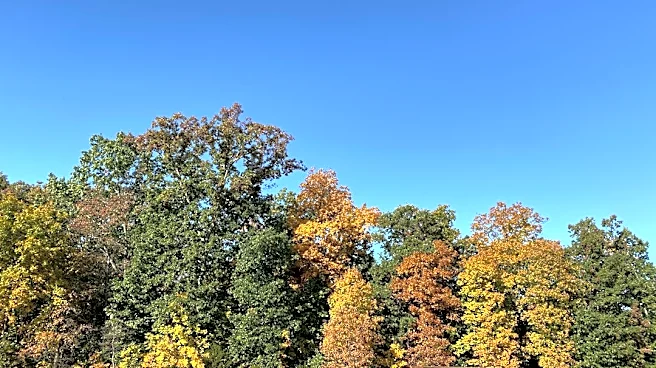
Beechdrops (Epifagus virginiana), a unique wildflower, grows exclusively at the base of American beech trees (Fagus grandifolia). This plant is characterized by its brown, tan, or pale orange stems and small purple to white flowers. Unlike most plants,
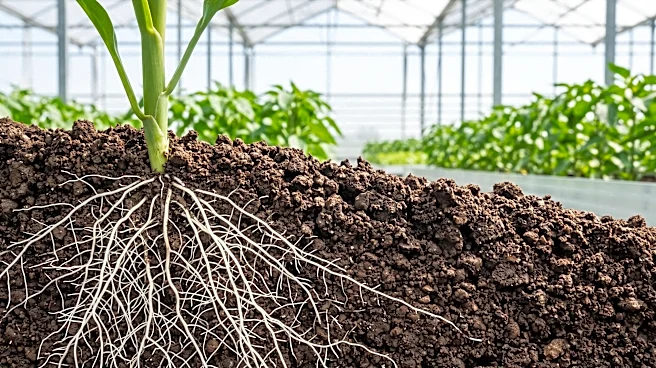
Beechdrops lack chlorophyll, the pigment necessary for photosynthesis. Consequently, it cannot produce its own food and relies entirely on its host, the American beech, for nutrients. Classified as an obligate parasitic plant, Beechdrops attach to the beech tree's roots using a specialized structure called a haustorium. Through this connection, the wildflower siphons sugars, water, and other essential nutrients from the host tree. The Bernheim Forest and Arboretum highlights that this parasitic relationship does not harm the American beech, as Beechdrops do not extract enough nutrients to negatively impact the host's health. Another similar species, 'bear corn' (Conopholis americana), also belongs to the Orobanchaceae family but can parasitize various oak species in addition to beech trees.
Why It's Important?
The obligate parasitic relationship between Beechdrops and the American beech tree underscores the intricate and often specialized interdependencies within natural ecosystems. This unique botanical interaction highlights the diversity of plant survival strategies and the delicate balance that can exist between species. For ecological researchers and conservationists, understanding such specific relationships is crucial for monitoring ecosystem health and biodiversity. The exclusive reliance of Beechdrops on American beech trees means that the health and prevalence of the beech population directly impact the survival of this wildflower. Any threats to American beech trees, such as disease or habitat loss, could consequently endanger Beechdrops. This case serves as an example of how the decline of one species can have cascading effects throughout an ecosystem, affecting other organisms that depend on it. Furthermore, the study of parasitic plants like Beechdrops can offer insights into nutrient transfer mechanisms and evolutionary adaptations in the plant kingdom.
What's Next?
Continued monitoring and research into the populations of both American beech trees and Beechdrops will be essential to ensure the long-term survival of this unique parasitic wildflower. Conservation efforts focused on preserving American beech forests will indirectly benefit Beechdrops, as their existence is entirely tied to their host. Educational initiatives, such as those by Bernheim Forest and Arboretum, will likely continue to inform the public about these fascinating plant interactions, fostering greater appreciation for biodiversity and ecological relationships. Future studies might explore the specific chemical signals involved in the host-parasite recognition and attachment, or investigate the genetic adaptations that allow Beechdrops to thrive without chlorophyll. Understanding the resilience of this relationship in the face of environmental changes, such as climate shifts or new tree diseases, will also be a critical area of focus for botanists and ecologists.
Beyond the Headlines
The story of Beechdrops and the American beech tree extends beyond a simple botanical curiosity, offering a deeper look into the concept of ecological specialization and co-evolution. This obligate parasitism illustrates how some species evolve to fill highly specific niches, becoming entirely dependent on another for survival. This level of interdependence can make ecosystems both robust and vulnerable; robust in the sense of highly efficient resource utilization, but vulnerable if the host species faces significant threats. From an ethical standpoint, it raises questions about our responsibility to protect not just individual species, but the complex web of relationships that sustain them. The existence of Beechdrops reminds us that biodiversity encompasses not only the variety of life forms but also the myriad ways in which they interact and depend on each other, often in ways that are not immediately obvious. It highlights the hidden complexities and delicate balances that underpin natural systems, urging a holistic approach to conservation.