



What's Happening?
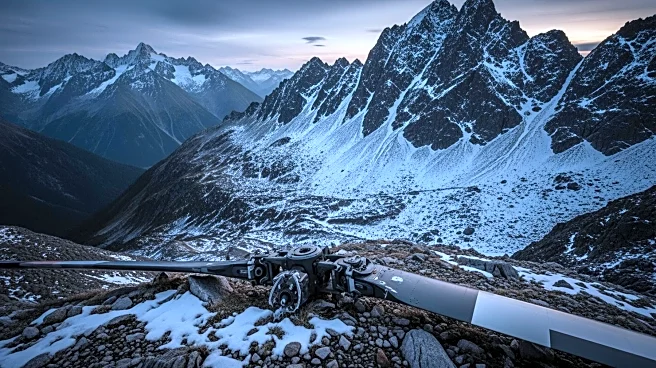
A tragic helicopter crash occurred on Mount Kilimanjaro in Tanzania, resulting in the deaths of five individuals. The incident took place during a rescue mission aimed at evacuating patients from the mountain. Among the deceased were two foreigners, a local
doctor, a tour guide, and the pilot. The crash happened between the Barafu Camp and Kibo Summit at an altitude exceeding 4,000 meters. The helicopter was operated by Kilimanjaro Aviation, and the Tanzania Civil Aviation Authority has initiated an investigation to determine the cause of the accident. This event marks a rare occurrence of aircraft accidents on Mount Kilimanjaro, with the last recorded incident happening in 2008.
Why It's Important?
The crash highlights the inherent risks associated with rescue operations in high-altitude environments like Mount Kilimanjaro, a popular tourist destination. The fatalities underscore the challenges faced by rescue teams operating in such conditions, where altitude sickness is a common issue among climbers. The incident may prompt a review of safety protocols and operational procedures for rescue missions in mountainous regions. Additionally, the investigation by the Tanzania Civil Aviation Authority could lead to changes in aviation safety regulations, impacting how rescue operations are conducted in the future.
What's Next?
The ongoing investigation by the Tanzania Civil Aviation Authority will seek to uncover the circumstances leading to the crash. Findings from this investigation could influence future safety measures and operational guidelines for rescue missions on Mount Kilimanjaro and similar environments. The aviation company involved, Kilimanjaro Aviation, may also face scrutiny regarding its safety practices and equipment maintenance. The outcome of the investigation could have broader implications for the tourism industry in Tanzania, particularly concerning the safety of adventure tourism activities.