






What's Happening?
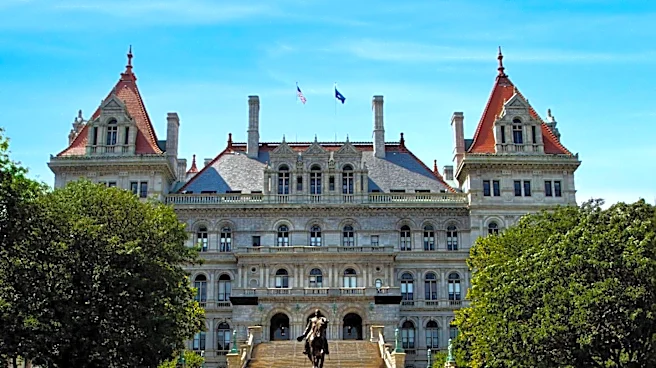
Thirty organizations across Western New York have collectively sent a demand to the New York State Department of Health (NYS DOH), urging immediate enforcement of the state's lead rental registration program. The current guidelines, issued by the NYS DOH,
stipulate that municipalities, including Erie County, must wait until 2029 to begin enforcing inspections for lead hazards. This delay is highly concerning to the organizations, as they estimate approximately 800 children in the City of Buffalo alone will suffer lead poisoning between now and 2029 if enforcement is not expedited. The coalition is advocating for several changes to the guidelines, including immediate municipal enforcement, allowing communication with tenants for scheduling inspections, establishing standardized inspector training, and requiring rescheduling of soil inspections if weather prevents initial assessment.
Why It's Important?
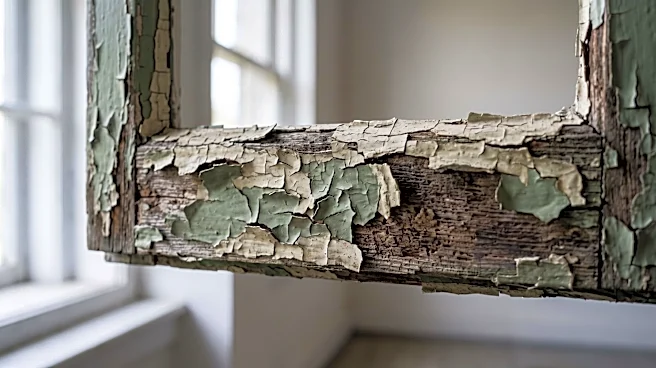
The delayed enforcement of lead rental registry guidelines poses a significant public health risk, particularly for children in Buffalo and Erie County. Lead poisoning can cause permanent and life-altering developmental issues, making prevention a critical public health priority. The current guidelines, by delaying enforcement and restricting communication channels for inspections, are seen as undermining the effectiveness of a program designed to protect vulnerable populations. Without the ability for Erie County to issue citations, levy fines, or deny rent collection, landlords may lack the incentive to comply with lead-safe practices. This situation highlights a critical gap in public policy implementation, where bureaucratic delays could lead to preventable harm, impacting the health and well-being of a substantial number of children and placing a long-term burden on healthcare and educational systems.
What's Next?
The coalition of thirty Western New York organizations is awaiting a response from Commissioner James V. McDonald of the NYS DOH regarding their demands for revised guidelines. Their primary objective is to compel the NYS DOH to mandate immediate municipal enforcement of the lead rental registry requirements. If the guidelines remain unchanged, the organizations anticipate a continued rise in childhood lead poisoning cases in Buffalo. Future actions may include further advocacy, public awareness campaigns, and potentially legal challenges to pressure the state to strengthen its regulations. The outcome will significantly influence the timeline for lead hazard remediation in rental properties across New York State and the effectiveness of public health interventions aimed at preventing lead poisoning.
Beyond the Headlines
This issue extends beyond immediate public health concerns, touching upon broader themes of environmental justice and regulatory efficacy. Communities with older housing stock, often inhabited by lower-income families, disproportionately bear the burden of lead exposure. The delay in enforcement suggests a systemic challenge in translating public health policy into effective action, potentially due to bureaucratic inertia, resource constraints, or lobbying efforts from landlord groups. The demand for tenant involvement in scheduling inspections also highlights the power dynamics between landlords and tenants, and the need for policies that empower residents in safeguarding their living environments. This situation could serve as a case study for how state-level health departments balance regulatory burdens with public safety imperatives, and the role of community advocacy in driving policy change.