







What's Happening?
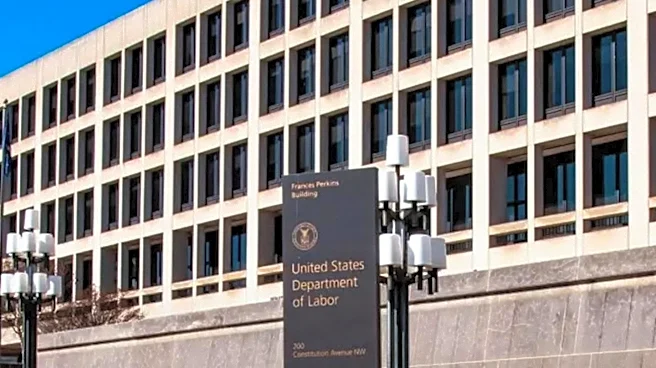
A recent report from the U.S. Department of Labor's Employment Cost Index reveals that despite an increase in total compensation for civilian workers, Americans are experiencing a decline in their real purchasing power. Over the 12 months ending in September
2026, total compensation, including wages and benefits, rose by 3.4%. Wages and salaries specifically increased by 3.1%, while benefit costs climbed by 3.9%. However, after adjusting for inflation, the report indicates that real wages for private-sector workers fell by 0.6% and for state and local government workers by 0.5%. This means that the rate of price increases for goods and services is surpassing the growth in pay, effectively shrinking the amount of money households have to spend.
Why It's Important?
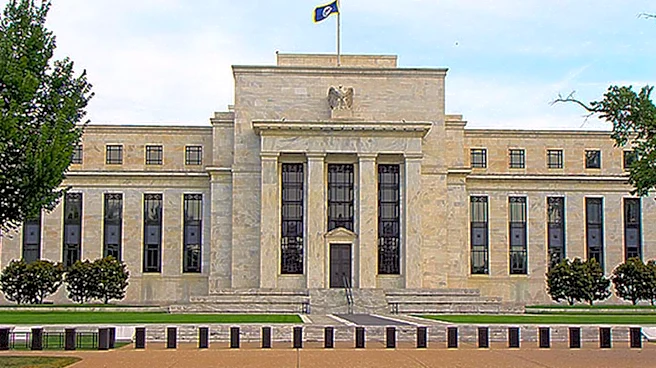
This report is crucial because it highlights a significant economic challenge for American households: the erosion of purchasing power due to inflation. Even with nominal pay raises, if the cost of living increases at a faster rate, individuals and families effectively have less disposable income. This situation can lead to financial strain, reduced consumer spending, and a general decrease in living standards. For the Federal Reserve, this data presents a dilemma as it attempts to control inflation without stifling wage growth or triggering an economic downturn. The Employment Cost Index is a closely watched indicator by the Fed, as it provides insights into underlying wage and benefit pressures that can influence monetary policy decisions, including potential interest rate adjustments.
What's Next?
The Federal Reserve will likely continue to monitor inflation and wage data closely as it considers future monetary policy actions. The report's findings, coupled with the acceleration of consumer inflation in September, suggest that the Fed may face ongoing pressure to implement measures aimed at cooling the economy. This could include further interest rate hikes, following the one implemented six weeks prior and the possibility of another later in the year. American households will continue to grapple with the rising cost of living, potentially leading to shifts in spending habits and increased demand for higher wages. Businesses may face pressure to increase compensation to attract and retain employees, which could further contribute to inflationary pressures.
Beyond the Headlines
The disparity between nominal wage growth and real purchasing power has deeper societal implications. It can exacerbate economic inequality, as lower-income households often spend a larger proportion of their income on essential goods and services, making them more vulnerable to inflation. This trend can also fuel public discontent and political debate regarding economic policies, particularly those related to inflation control and wage growth. The report implicitly points to a broader economic environment where the benefits of employment gains are being offset by rising costs, creating a sense of economic stagnation for many despite seemingly positive employment figures. Understanding this dynamic is key to addressing the underlying economic anxieties of the American populace.