

What's Happening?
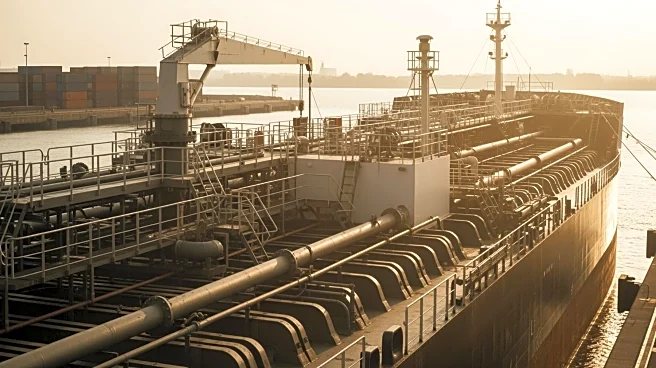
India has redirected its diesel exports to West Africa following the European Union's ban on fuel derived from Russian crude. This shift comes as the EU aims to penalize Russia for its 2022 invasion of Ukraine, leading to a reorganization of global oil
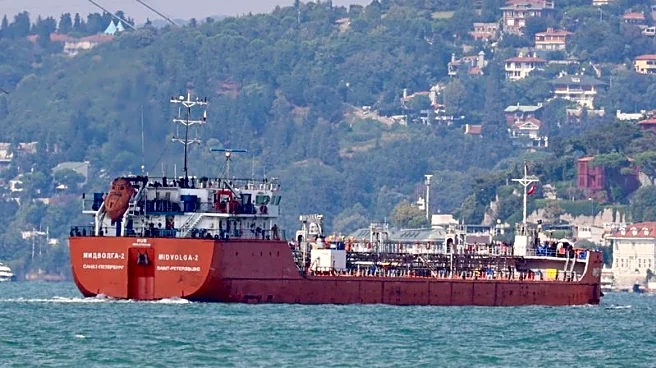
flows. Indian refineries, previously significant exporters to the EU, are now seeking new markets, with diesel exports to West Africa reaching record levels. In December, exports hit approximately 155,000 barrels per day, with January figures on track for 84,000 barrels per day. Meanwhile, Turkey's diesel exports to the EU have decreased, with the country's largest refinery, Tupras, halting Russian crude imports at one of its major plants.
Why It's Important?
The EU's ban on Russian-derived fuel is reshaping global oil trade patterns, compelling countries like India to find alternative markets for their exports. This reallocation of resources highlights the interconnectedness of global energy markets and the potential for geopolitical actions to disrupt established trade routes. For India, this shift could strengthen its economic ties with African nations, while the EU's diversification of fuel sources underscores its commitment to reducing dependency on Russian energy. The changes also impact Turkey's role as a fuel supplier to the EU, potentially affecting its economic dynamics.
What's Next?
As the EU continues to enforce its ban, India and other countries will likely explore further diversification of their export markets. The EU's need to secure alternative fuel sources may lead to increased imports from the U.S. and Middle Eastern countries. Additionally, Turkey may need to adjust its import strategies and explore new markets for its domestically produced diesel. The ongoing geopolitical tensions and trade adjustments could lead to further shifts in global oil supply chains.