

What's Happening?
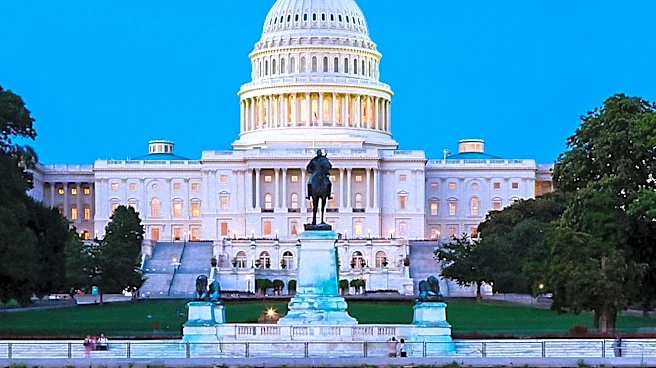
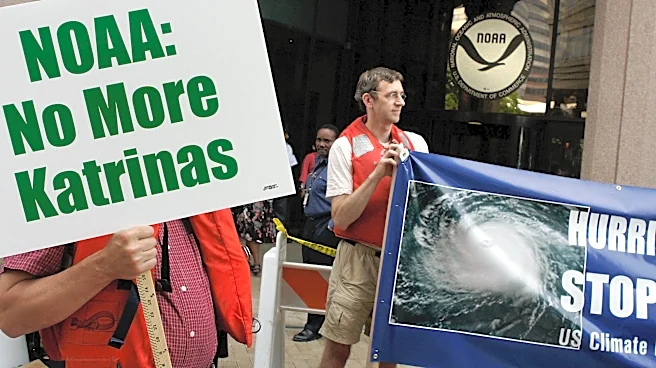
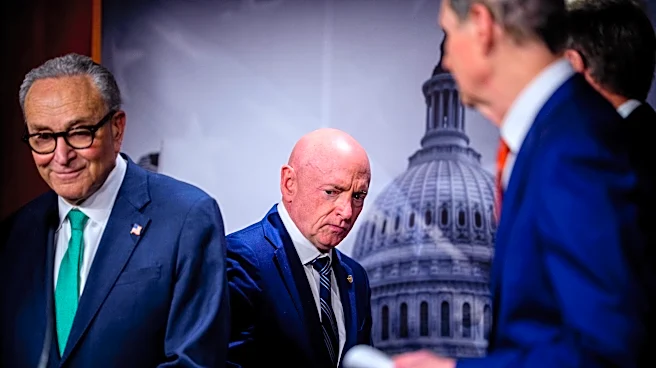
The U.S. Senate has unanimously passed the bipartisan Weather Research and Forecasting Innovation Reauthorization Act of 2026. This legislation authorizes the National Oceanic and Atmospheric Administration (NOAA) to significantly enhance weather research
and forecasting capabilities. The primary goal is to improve the nation's preparedness against weather-related disasters, ultimately saving lives and protecting businesses. Spearheaded by U.S. Senator Maria Cantwell and Senator Ted Cruz, the bill addresses several key areas. It reauthorizes the National Weather Service to provide agricultural weather and climate information and mandates NOAA to establish pilot projects for improved extended-range precipitation forecasts crucial for agriculture and water management. Furthermore, the act requires updates to weather radio technology to ensure more reliable and continuous weather and emergency alerts across the nation's NOAA Weather Radio network, which currently has over 1,000 stations but needs expansion in rural areas. The bill also includes provisions for improving wildfire condition forecasts and creating a NOAA program to coordinate federal efforts in reducing human health risks from extreme heat.
Why It's Important?
This legislative action is critical for the United States as it faces increasingly dangerous and costly weather disasters. Enhanced forecasting and warning systems provide communities with more time to prepare and evacuate, directly mitigating loss of life and property. For the agricultural sector, improved extended-range precipitation forecasts are vital for planning and managing crops and water resources, which can have significant economic implications. The modernization of the Doppler weather radar system and efforts to fill radar coverage gaps will lead to more accurate and timely warnings, particularly in underserved rural areas. The focus on wildfire condition forecasts is especially important for the western U.S., which has seen a growing frequency of wildfires. Additionally, the bill's attention to extreme heat risks and data delivery will help protect vulnerable populations. The investment in observations, science, technology, and forecasting capabilities, as highlighted by Alan Sealls, President of the American Meteorological Society, is an investment in the nation's future, supporting both public safety and the economy.
What's Next?
The Weather Research and Forecasting Innovation Reauthorization Act of 2026 has been forwarded to the U.S. House of Representatives for its consideration. If passed by the House and signed into law, NOAA and the National Weather Service will proceed with implementing the various provisions outlined in the act. This includes initiating pilot projects for precipitation forecasts, upgrading weather radio technology, and funding research for wildfire forecasting and extreme heat risk reduction. The American Meteorological Society has expressed strong support for the bill, emphasizing its importance for a robust weather enterprise. The next step will involve the House reviewing the legislation, potentially leading to further debate or amendments before a final vote. The successful passage of this bill would signify a significant federal commitment to modernizing weather infrastructure and disaster preparedness.
Beyond the Headlines
The unanimous passage of this bipartisan bill underscores a rare consensus in U.S. politics regarding the urgent need to address the impacts of climate and weather events. Beyond the immediate improvements in forecasting, this legislation signals a broader recognition of the economic and societal costs associated with inadequate disaster preparedness. The emphasis on agricultural forecasts highlights the interconnectedness of climate science and food security, while the focus on extreme heat points to evolving public health challenges. The bill's call for modernizing the NOAA Weather Radio network also touches upon issues of equitable access to critical information, particularly for rural communities that may lack alternative warning systems. This legislative effort could set a precedent for future bipartisan cooperation on scientific and environmental issues, demonstrating that shared national interests can overcome political divides in the face of growing environmental threats.