





What's Happening?
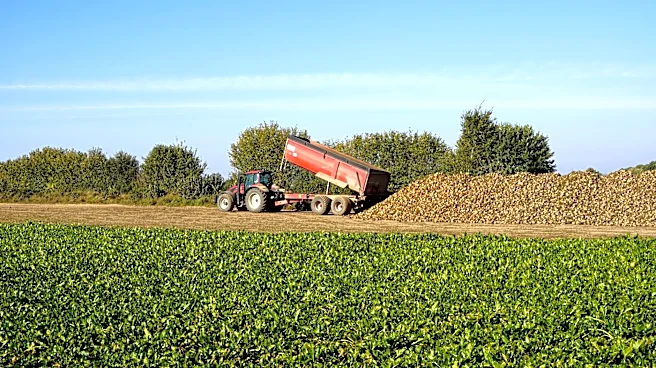
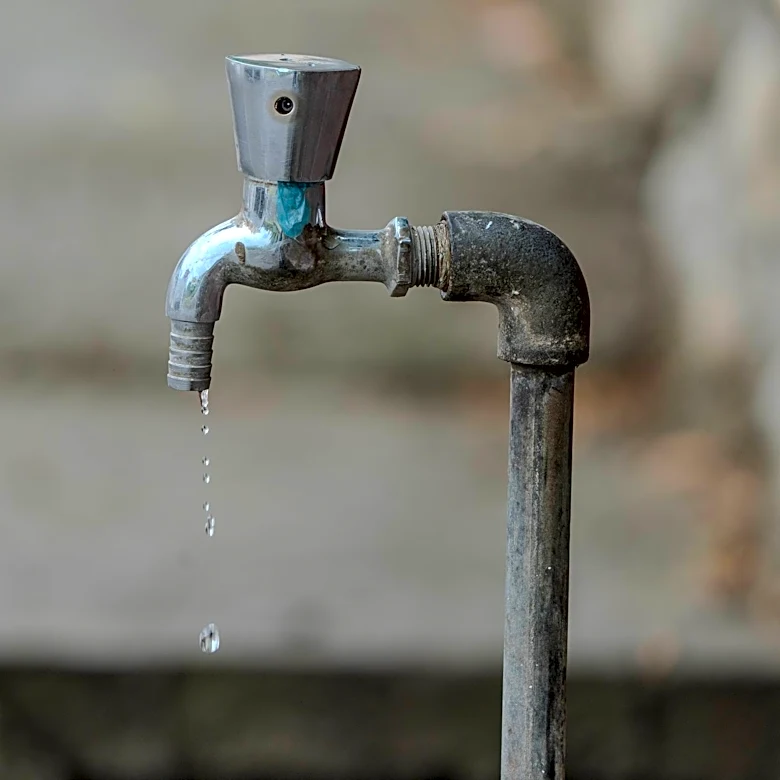
Western Nebraska is experiencing severe drought conditions that are significantly impacting sugar beet production. The region is facing limited rainfall, below-normal snowpack, and declining water supplies, which are creating challenges for growers. The drought has
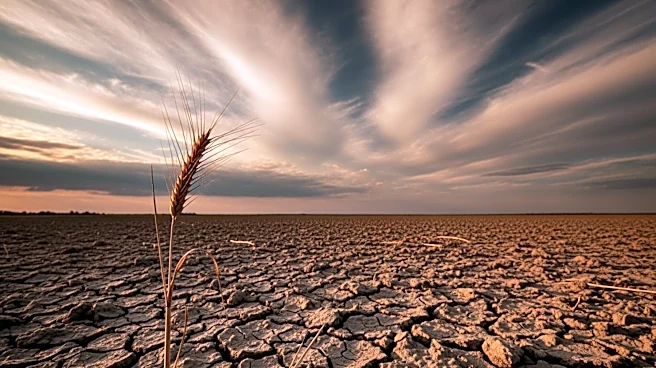
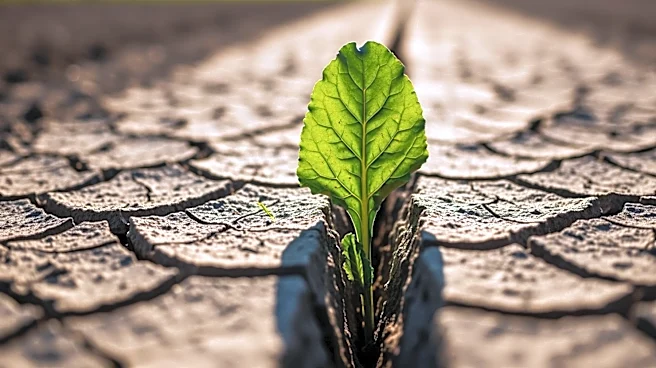
led to reduced water availability, affecting planting decisions and crop development. Many farmers are struggling with one of the driest seasons in recent years, with moisture levels remaining extremely low despite occasional rainfall. The lack of adequate precipitation is making it difficult for farmers to maintain normal crop production. The drought began after a mild winter produced limited snowfall in mountain regions, which normally provide runoff water to rivers and irrigation systems. As a result, water shortages are affecting the regional economy, reducing crop acreage, and creating uncertainty for businesses connected to farming and crop processing.
Why It's Important?
The drought in Nebraska is a significant concern for the agricultural sector, particularly for sugar beet farmers who rely heavily on irrigation systems. The reduced water supply is forcing growers to make difficult management decisions, such as opting for prevent plant insurance options rather than risking planting crops that may not receive enough water. This situation could lead to a decline in sugar beet acreage, affecting the regional economy and reducing demand for agricultural services. The drought highlights the vulnerability of agriculture to climate variability and the importance of water management strategies. The sugar beet industry, while resilient, faces challenges that could impact its long-term sustainability and economic contributions to the region.
What's Next?
Farmers and agricultural leaders in Nebraska will continue to monitor the drought conditions closely. The industry may need to explore alternative water management strategies and crop insurance options to mitigate the impact of water shortages. There is also a need for increased investment in irrigation infrastructure and research into drought-resistant crop varieties. The situation may prompt discussions among policymakers and industry stakeholders about long-term solutions to address water scarcity and support the agricultural sector in adapting to changing climate conditions.