











What's Happening?
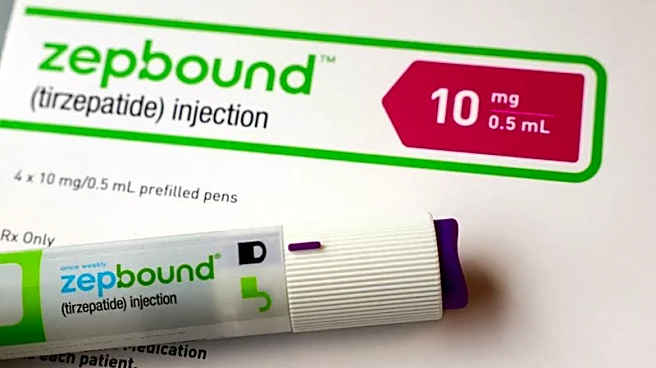
Medicare has initiated coverage for obesity drugs through a temporary government program, significantly impacting older Americans who previously could not afford these treatments. This change allows access to GLP-1 medications from companies like Novo
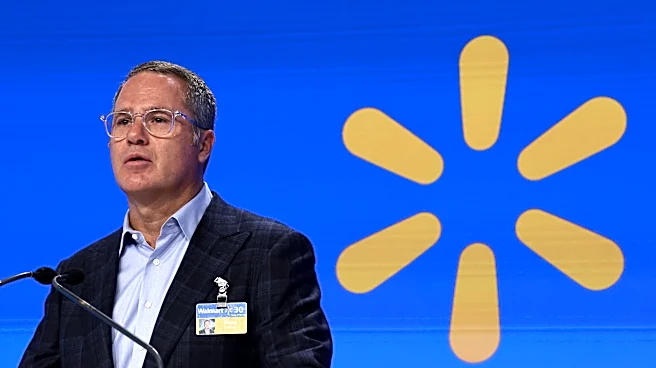
Nordisk and Eli Lilly. However, a survey by the Obesity Care Advocacy Network revealed that 82% of older Americans were unaware of this new coverage. To address this, Walmart and CVS Health are stepping in to provide educational resources and pharmacy support. Walmart is offering materials and consultations at nearly 5,000 locations, while CVS is expanding its support across 9,000 pharmacies and clinics. These efforts aim to help seniors navigate the complexities of the new Medicare coverage and manage the side effects of these medications.
Why It's Important?
The inclusion of obesity drugs in Medicare coverage represents a significant policy shift, potentially improving health outcomes for millions of seniors. By making these medications more affordable, the program addresses a critical barrier to treatment for obesity, a condition linked to numerous health issues. The involvement of major retailers like Walmart and CVS is crucial, as they provide accessible healthcare resources and support, especially in underserved areas. This initiative not only benefits individual health but could also reduce long-term healthcare costs by preventing obesity-related diseases. The program's success could influence future healthcare policies and coverage decisions.
What's Next?
As the program rolls out, the focus will be on educating seniors about their eligibility and the benefits of the new coverage. Walmart and CVS will continue to play a pivotal role in this educational effort. The program is set to run until the end of 2027, providing a window to assess its impact on healthcare costs and patient outcomes. Stakeholders, including healthcare providers and policymakers, will likely monitor the program's effectiveness in improving access to obesity treatments and its potential to serve as a model for future Medicare expansions.