


What's Happening?
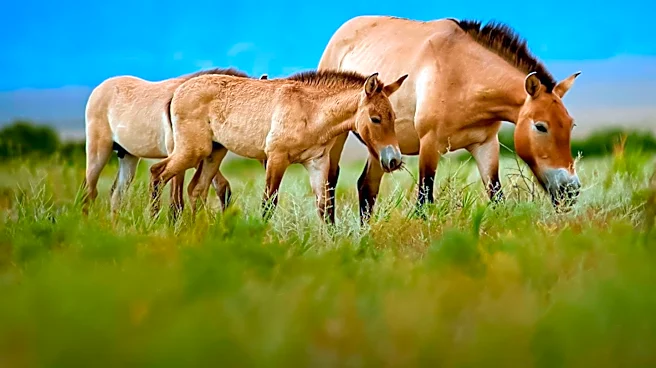
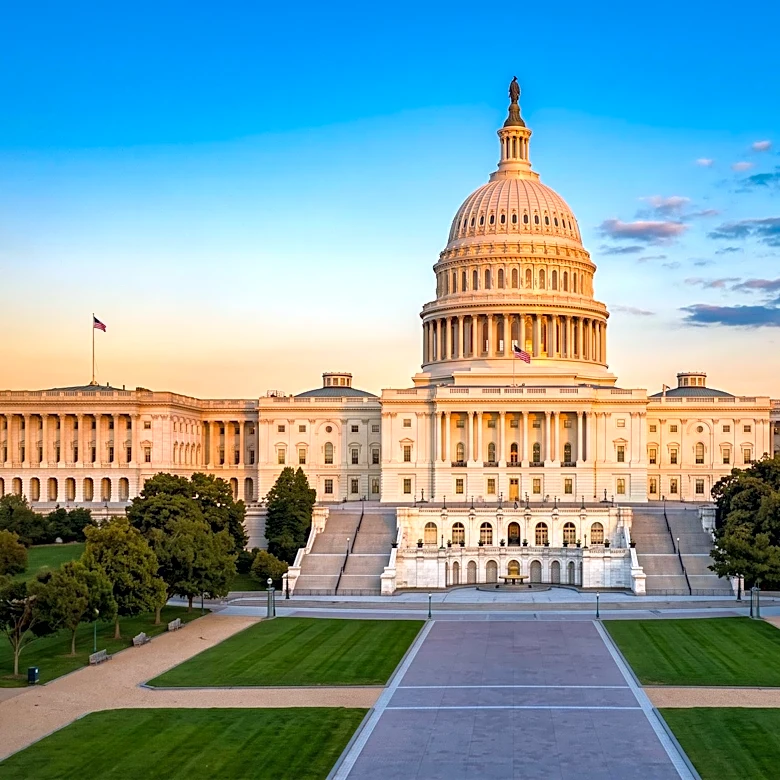
A House Natural Resources Committee subcommittee has heard testimony in support of a bill aimed at protecting the wild horse herd within Theodore Roosevelt National Park in North Dakota. The legislation, introduced by Senator John Hoeven, R-N.D., seeks
to establish a minimum herd size of 150 horses to maintain genetic diversity, along with requirements for monitoring and annual reporting on the herd's status. Sara Otte Coleman, North Dakota's tourism director, testified in favor of the bill, describing it as a bipartisan, common-sense compromise resulting from months of work. The bill, which passed the Senate in June without opposition, also mandates the development of a management plan for the horses within 120 days of its enactment. This plan must ensure cost-effective management while protecting the park's natural resources, allowing horse removal only for maintaining genetic diversity or in emergencies for public safety. Representative Celeste Maloy, R-Utah, questioned the determination of the 150-horse minimum and how the park would sustain the herd during droughts.
Why It's Important?
This bill is important for the preservation of a significant wild horse population in a U.S. National Park, which contributes substantially to North Dakota's tourism economy. Wildlife viewing, including the wild horses, is a major draw for 86% of park visitors, generating an estimated $54 million annually in direct spending for the state. The legislation aims to provide certainty and accountability for the management of these horses, which have been present in the Little Missouri Badlands since the 1880s and were fenced into the park in 1956. The debate over herd size and management practices, particularly concerning fertility control, highlights the complex challenges of balancing wildlife conservation with ecological sustainability and public interest. The bill's bipartisan support underscores a shared commitment to protecting these iconic animals while addressing concerns about their impact on the park's natural resources, especially in the face of environmental challenges like drought.
What's Next?
The bill, having passed the House subcommittee without opposition, now advances to the full Natural Resources Committee for further consideration. No action was taken on the bill immediately after the hearing. Senator Hoeven emphasized the effort to draft legislation with broad support and expressed caution against changes that could jeopardize its passage. Chris Kman, president of Chasing Horses Wild Horse Advocates, submitted written testimony urging amendments, particularly regarding fertility control practices, and advocating for a working group of stakeholders and scientists for herd management. Marylu Weber, president of North Dakota Badlands Horse, supports the bill without amendments. It is anticipated that there will not be another committee hearing on the bill until after the November election. Representative Julie Fedorchak, R-N.D., is carrying the bill in the House.
Beyond the Headlines
The discussion surrounding the wild horse bill touches upon broader themes of wildlife management, ecological balance, and the role of federal lands in conservation. The concerns raised by Representative Maloy about maintaining herd size during droughts highlight the increasing challenges posed by climate change on natural ecosystems and the need for adaptive management strategies. The differing views on fertility control, as expressed by advocacy groups, underscore the ethical and scientific complexities inherent in managing wild populations. This legislation could set a precedent for how other wild horse populations on federal lands are managed, potentially influencing policies related to herd sizes, genetic diversity, and the use of interventions like birth control. It also reflects the ongoing tension between preserving historical and cultural symbols, such as wild horses, and ensuring the long-term health and sustainability of the ecosystems they inhabit.