




What's Happening?
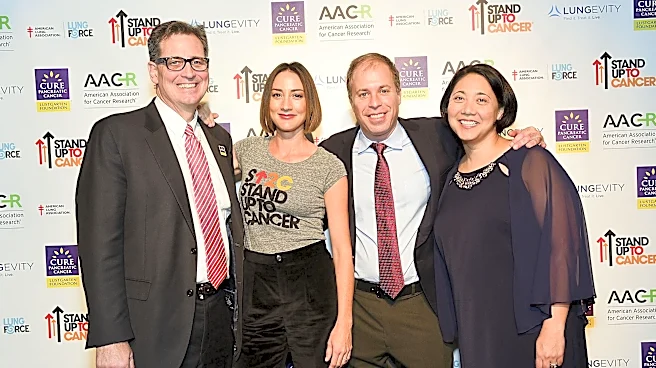
The 19th AACR Conference on the Science of Cancer Health Disparities, held from October 18-21, focused on identifying and implementing actionable solutions to address persistent inequities in cancer care. Monica L. Baskin, PhD, Director and Jeanette and Eric
Lipman Chair in Oncology of the VCU Massey Comprehensive Cancer Center, emphasized that while significant progress has been made in cancer screening, treatment, and prevention since the National Cancer Institute's establishment in 1937, these advancements have not benefited all populations equally. The conference highlighted strategies such as community health worker programs, which have proven cost-effective in increasing screening rates for breast, cervical, and colorectal cancers. Additionally, the importance of ensuring underrepresented populations participate in clinical trials was stressed, with Baskin noting their willingness to participate if asked. The discussion also touched upon the potential of artificial intelligence (AI) to identify regions with low cancer screenings and accelerate drug development, while cautioning against exacerbating existing disparities by omitting data from underrepresented groups in AI models.
Why It's Important?
Cancer health disparities represent a significant challenge to public health in the U.S., leading to unequal incidence and mortality rates across different demographic groups. These disparities are often rooted in social, structural, and economic barriers to care. The conference's focus on actionable solutions is crucial because it moves beyond merely identifying problems to proposing and evaluating effective interventions. By emphasizing community engagement and the role of community health workers, the AACR highlights the importance of localized, trusted approaches to improve health outcomes. Ensuring diverse representation in clinical trials is vital for developing treatments that are effective and safe for all populations, preventing a widening gap in treatment efficacy. The careful integration of AI, with a focus on inclusive data, is essential to leverage new technologies without inadvertently creating new forms of inequity in cancer care.
What's Next?
Future efforts will likely involve expanding successful community-based programs and increasing the recruitment of diverse participants into clinical trials. The VCU Massey Comprehensive Cancer Center's Alliance for Equity in Cancer Care initiative, which identifies and supports patients with social drivers of health (SDOH) barriers, serves as a model for addressing non-medical factors affecting health outcomes. The role of AI in identifying disparities and accelerating research will continue to grow, but with a critical focus on data inclusivity. Furthermore, there is a call for a more diverse biomedical workforce and for researchers to co-design solutions with community members to ensure relevance and effectiveness. The conference also highlighted the need for more research into the long-term impact of treatments for metastatic cancer patients, particularly concerning quality of life and the challenges faced by younger individuals with advanced disease.
Beyond the Headlines
The discussions at the AACR conference reveal a deeper understanding of cancer disparities, moving beyond purely medical factors to encompass social determinants of health. The emphasis on community health workers and patient navigators underscores a shift towards a more holistic and patient-centered approach to care, recognizing that healthcare access is influenced by a myriad of non-clinical factors. The caution regarding AI's potential to exacerbate disparities if not carefully implemented highlights the ethical considerations inherent in technological advancements in medicine. The personal testimony of Michael H. Hu, a stage 4 lung cancer patient, brings to light the often-overlooked gaps in care for individuals with metastatic disease, particularly concerning long-term survivorship support and the financial and emotional burdens they face. This broader perspective suggests that truly addressing cancer disparities requires systemic changes that integrate medical, social, and technological solutions, all while prioritizing equity and patient well-being.