







What's Happening?
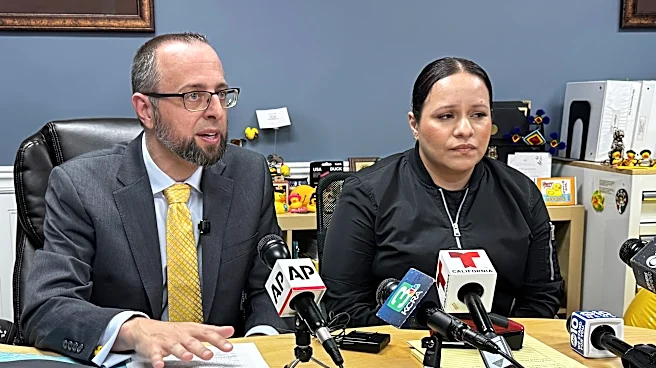
California's Attorney General, Rob Bonta, has announced felony charges against 21 individuals involved in a hospice fraud scheme that allegedly cost the state $267 million. The suspects reportedly purchased personal identifying information from the dark
web to enroll non-California residents in Medi-Cal, a program providing low-cost healthcare to low-income residents. They are accused of buying 14 hospice companies and billing Medi-Cal for services that were never provided. The alleged patients were healthy and unaware of their enrollment in hospice care. The charges include healthcare fraud, money laundering, and identity theft, with potential prison sentences ranging from 10 to 16 years. So far, $30 million has been recovered, and five suspects have been arrested.
Why It's Important?
This case highlights the ongoing issue of healthcare fraud, which has become a significant political topic, especially among Republicans who criticize blue states for perceived laxity in addressing such fraud. The scheme exploited the Medi-Cal system, potentially diverting funds from legitimate healthcare needs. The charges underscore the importance of safeguarding public healthcare programs from fraudulent activities, which can lead to increased costs and reduced services for genuine beneficiaries. The case also reflects broader concerns about identity theft and the misuse of personal data, emphasizing the need for robust cybersecurity measures.
What's Next?
The legal proceedings against the accused individuals will likely unfold over the coming months, with potential implications for healthcare policy and fraud prevention strategies in California and beyond. The case may prompt increased scrutiny and regulatory measures to prevent similar schemes. Political leaders and healthcare administrators may face pressure to enhance oversight and transparency in public healthcare programs. Additionally, the discourse around healthcare fraud could influence public opinion and policy decisions, particularly in states with large public healthcare systems.