






What's Happening?
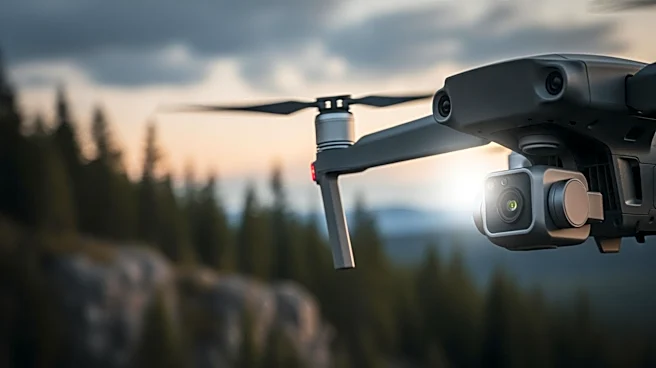
A drone operator in New Hampshire, who uses his aircraft to assist in locating lost pets, has reported multiple incidents where individuals have attempted to shoot down his drones. This operator, whose efforts are aimed at reuniting pets with their owners,
has faced this dangerous interference on four separate occasions. The use of drones in pet recovery has become an innovative approach, providing a bird's-eye view that can cover large areas quickly and efficiently. However, the hostility towards drones, as evidenced by these shooting attempts, highlights a significant challenge in the operator's mission. The incidents have raised concerns about the safety and legality of drone operations in public spaces, especially when they are used for community service purposes.
Why It's Important?
The repeated attempts to shoot down drones used for pet recovery in New Hampshire underscore a broader issue of public perception and acceptance of drone technology. While drones offer significant benefits in search and rescue operations, including efficiency and expanded search capabilities, they also face resistance from individuals who may view them as intrusive or threatening. This resistance can hinder the effectiveness of such operations and pose safety risks to both the drone operators and the public. The situation highlights the need for increased public awareness and education about the positive uses of drones, as well as the importance of legal protections for operators engaged in community service activities. The incidents also raise questions about the enforcement of laws related to drone interference and the potential need for clearer regulations to protect drone operations.
What's Next?
In response to these incidents, there may be calls for stronger legal measures to protect drone operators, especially those involved in community service. Law enforcement agencies could increase efforts to identify and prosecute individuals who interfere with drone operations. Additionally, there may be initiatives to educate the public about the benefits of drones in non-invasive roles, such as pet recovery, to reduce hostility and improve cooperation. The drone operator may also consider working with local authorities to establish safe operating zones or protocols to minimize risks. These steps could help ensure that drones can continue to be used effectively and safely in public service roles.