



What's Happening?
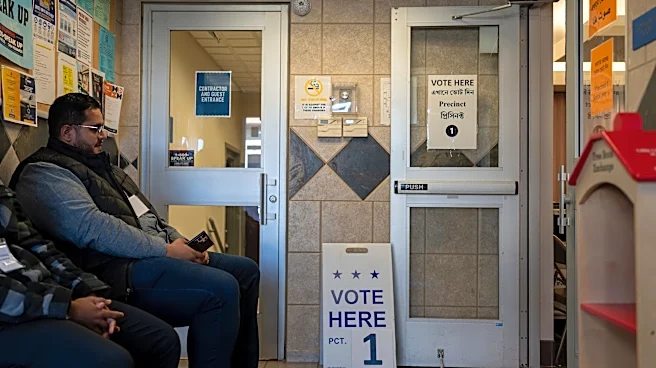
In Michigan, the debate over data center developments has become a pivotal issue in the upcoming primary elections. Candidates across party lines are facing pressure from voters who oppose the construction of large-scale data centers, citing concerns
about environmental impact, utility costs, and lack of transparency. Democratic Senate candidate Abdul El-Sayed has made opposition to these projects a key part of his campaign, while other candidates are also voicing skepticism. The controversy reflects broader tensions between technological advancement and community interests, with some candidates advocating for moratoriums on data center projects.
Why It's Important?
The data center debate in Michigan highlights the growing conflict between technological infrastructure development and local community concerns. As data centers become essential for powering the digital economy, their environmental and social impacts are increasingly scrutinized. The issue underscores the need for balanced policies that address both technological needs and community welfare. The outcome of the primary elections could influence future data center policies and set a precedent for how similar projects are approached nationwide, affecting stakeholders from tech companies to local residents.
What's Next?
The primary elections will serve as a referendum on data center policies, potentially shaping the approach of elected officials towards future developments. Candidates who oppose data centers may gain support from voters concerned about environmental and social impacts, leading to increased calls for regulatory oversight and community engagement in decision-making processes. The results could also prompt tech companies to reconsider their strategies for engaging with local communities and addressing public concerns.