


What's Happening?
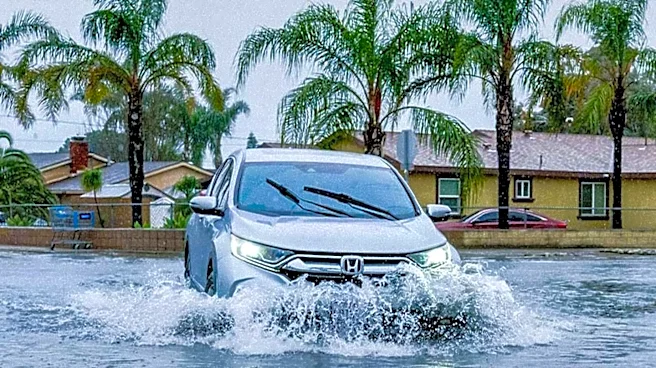
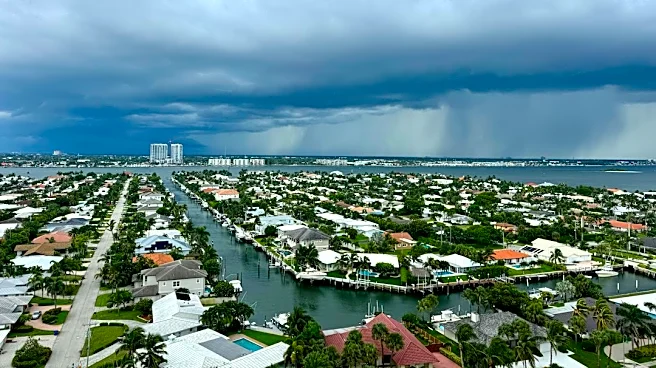
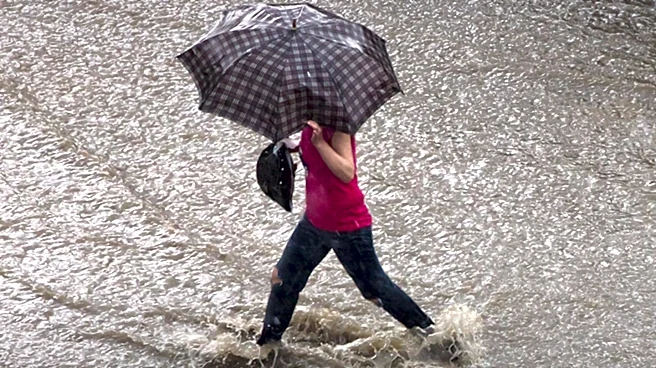
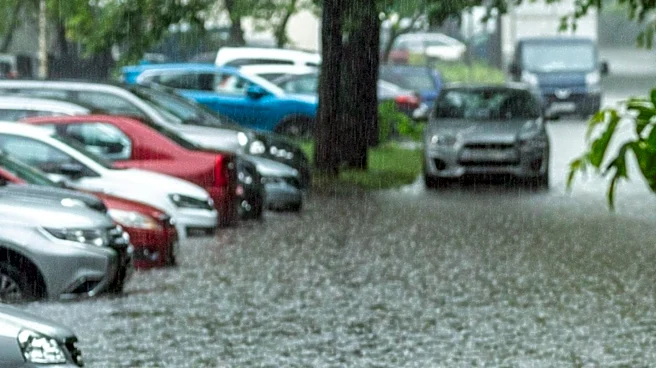
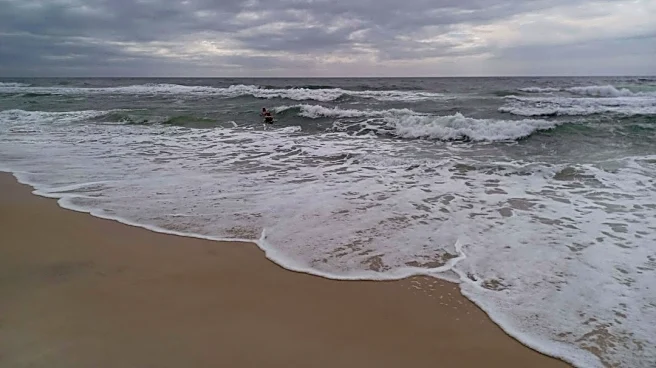
Central Florida is preparing for another round of heavy rainfall this week, which is expected to bring significant flooding to various areas, particularly coastal communities. The National Weather Service in Melbourne forecasts widespread rainfall totals
of 2 to 4 inches, with isolated amounts potentially reaching 5 to 7 inches or more through Friday. The highest flooding potential is identified along the coast south of Cape Canaveral, especially on Wednesday and Thursday. Brevard County is of particular concern due to already saturated soil from earlier rainfall this month, which could lead to rapid flood development. Additionally, ongoing flooding along the St. Johns River is expected to worsen with the new precipitation. Titusville has opened a self-service sandbag station for residents, and officials are advising residents to prepare by checking alternate routes, charging electronics, gathering essentials, and making family plans.
Why It's Important?
The impending heavy rains and potential for widespread flooding in Central Florida carry significant implications for residents, infrastructure, and local economies. For communities, especially those still recovering from recent flooding, this event could exacerbate property damage, disrupt daily life, and pose safety risks. Transportation networks are likely to be affected, with road closures and hazardous driving conditions impacting commutes and commerce. The agricultural sector, a key part of Florida's economy, could face crop damage and soil erosion. Emergency services will be stretched, requiring coordinated efforts for potential rescues and assistance. The repeated flooding events also highlight the vulnerability of existing infrastructure to extreme weather patterns, prompting discussions about long-term resilience and urban planning. For residents, the psychological toll of recurrent flooding can be substantial, emphasizing the need for robust community support and preparedness initiatives.
What's Next?
As Central Florida anticipates heavy rainfall, local emergency management agencies will remain on high alert, monitoring weather conditions and river levels closely. Residents are advised to stay updated on forecasts and heed official warnings, with sandbag distribution continuing in affected areas like Titusville. Emergency services will be prepared for potential high-water rescues and road closures. Post-storm, efforts will focus on damage assessment, cleanup, and providing resources to affected communities. In the longer term, these recurring flood events may prompt local governments to re-evaluate and invest in improved drainage systems, flood barriers, and urban planning strategies to enhance resilience against future extreme weather. Public awareness campaigns on flood preparedness and safety are also likely to intensify, encouraging residents to develop personal emergency plans and take proactive measures.
Beyond the Headlines
The recurring threat of severe flooding in Central Florida underscores a deeper narrative about climate change impacts and urban development in vulnerable regions. Beyond the immediate concerns of property damage and safety, these events highlight the complex interplay between natural weather patterns, human infrastructure, and environmental changes. The saturation of soil and rising river levels point to a systemic vulnerability that may require a fundamental rethinking of land use policies, building codes, and water management practices. There are also significant economic implications, as repeated flooding can depress property values, increase insurance premiums, and strain local government budgets for recovery and mitigation. Socially, these events can disproportionately affect low-income communities, who may have fewer resources to prepare for or recover from floods, raising questions of environmental justice. The ongoing challenges in Central Florida serve as a microcosm of broader national struggles to adapt to a changing climate and build sustainable, resilient communities in the face of increasing environmental pressures.