









What's Happening?
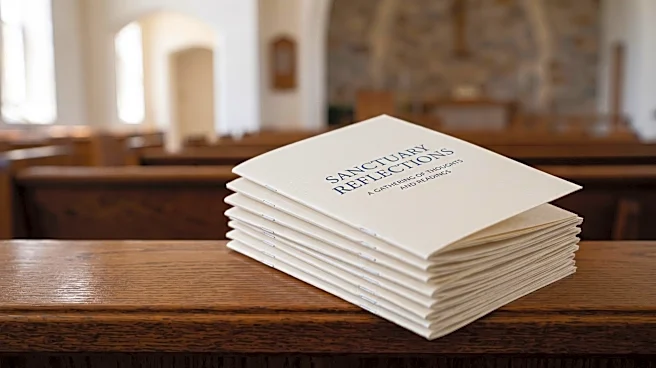
Churches across the U.S. are actively adopting strategies to create screen-free environments during worship services and encourage digital sabbaths among congregants. This initiative comes in response to rising phone usage during services, with a Barna
Group study indicating that 43% of churchgoers use their phones for non-worship purposes, a figure that jumps to 58% among 18-34 year olds. Practical approaches include providing printed Scripture readings, placing phone collection baskets at entrances, designating worship spaces as phone-free zones, and teaching the concept of a digital sabbath as a spiritual discipline. Research from the University of Texas at Austin highlights that merely having a smartphone visible reduces cognitive capacity, impacting spiritual engagement. The average American checks their phone every 6.5 minutes, a habit that often persists during the 60-90 minutes of a typical worship service. While 73% of churches allow or encourage Bible app use, this has inadvertently created opportunities for distraction, as the phone transitions from a tool to an irresistible distraction.
Why It's Important?
The increasing reliance on digital devices, even in sacred spaces, signifies a broader societal challenge of sustained attention and digital dependency. For churches, this trend threatens the core purpose of corporate worship, which requires mental, emotional, and spiritual presence. The cognitive impact of phone presence, even when not actively used, means congregants may experience reduced capacity for deep engagement with sermons and prayer. This shift affects not only individual spiritual growth but also the communal aspect of worship. The generational divide in phone behavior, with younger adults more likely to view in-service phone use as normal, underscores a need for churches to offer counter-cultural experiences that foster genuine presence. By implementing screen-free policies and promoting digital sabbaths, churches aim to reclaim focused attention, strengthen community bonds, and encourage a deeper, more embodied spiritual practice, addressing a pervasive issue that extends beyond religious settings into daily life and relationships.
What's Next?
Churches are expected to continue refining their approaches to digital device management during services. This may involve further experimentation with 'phone basket' systems, clearer communication of phone policies, and educational programs on the benefits of digital sabbaths. The goal is to frame phone-free worship as an invitation to freedom and deeper engagement rather than a ban. Individual Christians are encouraged to take personal steps, such as leaving phones in cars or using physical Bibles, to reclaim their worship attention. The ongoing dialogue between church leaders and congregants will likely shape future policies, balancing the need for accessibility (e.g., for emergencies or Bible apps) with the desire for an undistracted worship experience. Youth ministries, in particular, will face the challenge of creating engaging, phone-free environments that resonate with younger generations accustomed to constant digital interaction.
Beyond the Headlines
The movement towards screen-free spaces in churches reflects a growing societal recognition of the need to disconnect from constant digital stimulation. This extends beyond religious contexts, influencing discussions about screen-free zones in homes (e.g., sleeping areas, dining tables) and intentional technology use in education. The concept of a 'digital sabbath' aligns with broader wellness trends emphasizing mindfulness, presence, and the cultivation of relationships over endless to-do lists. The struggle to disengage from devices, even for an hour, reveals the depth of digital dependency and its psychological impact, including anxiety when separated from phones. This initiative highlights the ethical and cultural dimensions of technology's role in modern life, prompting reflection on how digital tools shape our attention, relationships, and capacity for deep engagement in all aspects of life, not just worship.