


What's Happening?
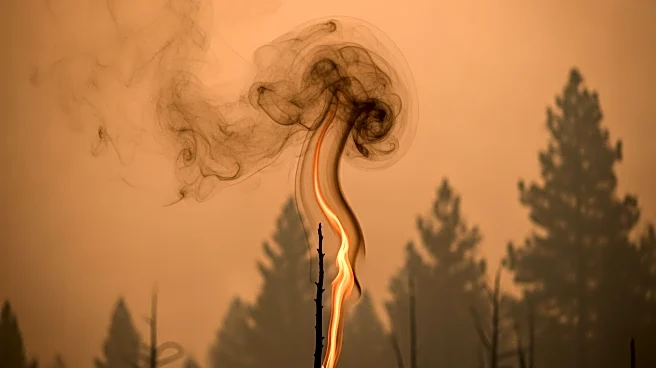
A recent study published in Science Advances has revealed that long-term exposure to particulate matter from wildfire smoke is linked to an average of 24,100 deaths annually in the contiguous United States. The research, conducted between 2006 and 2020,
highlights the significant health risks posed by fine particulate matter (PM2.5) found in wildfire smoke. These particles can penetrate deep into the lungs and enter the bloodstream, exacerbating existing health conditions and leading to respiratory, cardiovascular, and neurological diseases. The study emphasizes the growing threat of wildfire smoke, driven by climate change and increased urban development in fire-prone areas, which has expanded the urban-wildland interface.
Why It's Important?
The findings underscore the urgent need for public health interventions and policy changes to mitigate the impact of wildfire smoke on human health. As climate change continues to increase the frequency and intensity of wildfires, the associated health risks are expected to rise. Vulnerable populations, including those with pre-existing health conditions, are particularly at risk. The study calls for enhanced monitoring and regulation of PM2.5 emissions from wildfires by agencies like the Environmental Protection Agency (EPA) to protect public health. The research also highlights the need for comprehensive strategies to manage forest areas and reduce the urban-wildland interface to prevent future health crises.
What's Next?
The study's authors advocate for immediate action to address the health impacts of wildfire smoke. This includes implementing effective mitigation strategies and strengthening climate policies to reduce the frequency and severity of wildfires. The EPA and other regulatory bodies may need to revise air quality standards to account for the unique challenges posed by wildfire smoke. Additionally, public health campaigns could be launched to raise awareness about the dangers of wildfire smoke and promote protective measures, especially for at-risk communities.