







What's Happening?
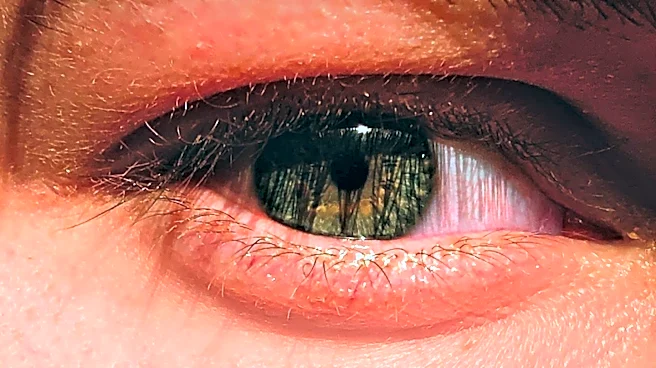
A new study involving over 90,000 individuals suggests that thinning in a specific layer of nerve tissue in the retina could indicate a significantly higher risk of developing atrial fibrillation (AFib) years before a formal diagnosis. Researchers found
that for every step of thinning measured in the ganglion cell-inner plexiform layer of the retina, individuals faced a 27% higher risk of developing AFib later. This thinning was observed consistently across two large study groups, one from a London eye hospital and another from the UK Biobank, which tracked participants for approximately a decade. The study highlights that these retinal changes were detectable before AFib was clinically diagnosed, offering a potential early warning sign for a condition often difficult to catch due to its intermittent and sometimes asymptomatic nature. The retina's shared blood vessels and nerve tissue with the brain and heart make it a potential 'window' into broader cardiovascular health.
Why It's Important?
Atrial fibrillation is the most common form of irregular heartbeat and significantly increases the risk of stroke, heart failure, and death. Its elusive nature makes early detection challenging, often leading to delayed treatment and increased complications. This research is important because it proposes a non-invasive, readily available screening method through routine eye exams that could identify individuals at high risk of AFib much earlier. Early identification could allow for proactive interventions, lifestyle modifications, or closer monitoring, potentially preventing severe cardiovascular events. The study's large scale, involving tens of thousands of participants, lends significant weight to its findings, suggesting a substantial shift in how early warning signs for heart conditions might be identified, complementing existing diagnostic tools.
What's Next?
While the study does not claim that eye scans can diagnose AFib independently, it strongly suggests that retinal changes could serve as a crucial early indicator, prompting further cardiac evaluation. Future research will likely focus on validating these findings in diverse populations and integrating retinal imaging data with other cardiovascular risk assessments to develop more comprehensive predictive models. Clinicians may begin to consider retinal thinning as a factor in assessing a patient's overall cardiovascular risk profile. The potential for routine eye exams to contribute to heart health screening could lead to new guidelines for ophthalmologists and cardiologists, fostering a more integrated approach to patient care and preventive medicine.
Beyond the Headlines
The implications of this research extend beyond early detection of AFib, hinting at the broader potential of ophthalmology as a diagnostic frontier for systemic diseases. The retina, being an accessible part of the central nervous system, may hold clues to various other health conditions, including neurological disorders and other cardiovascular issues. This study reinforces the concept of the eye as a 'window' to overall health, suggesting that advancements in retinal imaging and analysis could transform preventive medicine. Ethically, this raises questions about the scope of information that should be shared with patients during routine eye exams and the need for clear communication regarding potential heart risks identified through ocular assessments, ensuring that such findings lead to appropriate follow-up without causing undue alarm.