





What's Happening?
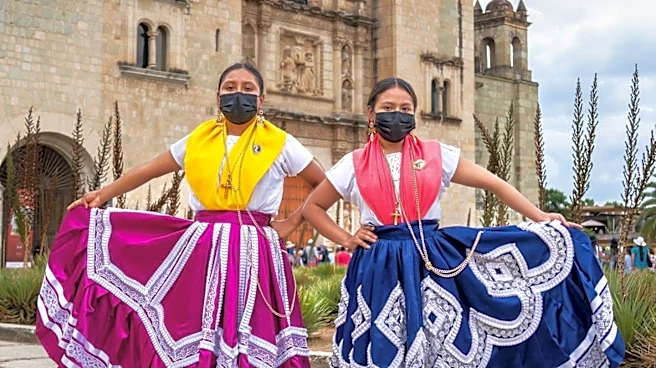
National Hispanic Heritage Month commenced on September 15, with celebrations planned across the U.S. to honor the diverse cultures and contributions of Latinos. The month-long observance, running until October 15, highlights the nation's largest racial
or ethnic minority, comprising over 70 million residents who make up one-fifth of the total U.S. population. The heritage month originated as Hispanic Heritage Week in 1968, signed into law by President Lyndon B. Johnson, and was expanded to a full month by President Ronald Reagan in 1988. September 15 was chosen to coincide with the independence day anniversaries of several Latin American countries, including Costa Rica, Nicaragua, Guatemala, Honduras, El Salvador, and Mexico's 'El Grito de Dolores.' The festivities often emphasize the interconnected struggles of Latin and Caribbean nations and the fight for Indigenous rights, as noted by Paul Ortiz, a professor of Latina/o labor history at Cornell University.
Why It's Important?
National Hispanic Heritage Month serves as a crucial period for recognizing and celebrating the profound impact of Hispanic and Latino communities on U.S. culture, economy, and society. As the nation's largest racial or ethnic minority, their contributions are integral to the fabric of American life. The observance fosters greater understanding and appreciation of diverse traditions, languages, and histories, promoting cultural exchange and inclusivity. It also provides a platform to acknowledge the historical struggles and resilience of these communities, including their significant role in the labor movement due to collectivist cultural values. The growing U.S. Latino consumer base further underscores their economic influence. In a time of evolving demographics and political discourse, this month reinforces the idea that 'the history of Latinos is U.S. history,' as stated by historian Diego Javier Luis, highlighting their enduring presence and shaping of the nation.
What's Next?
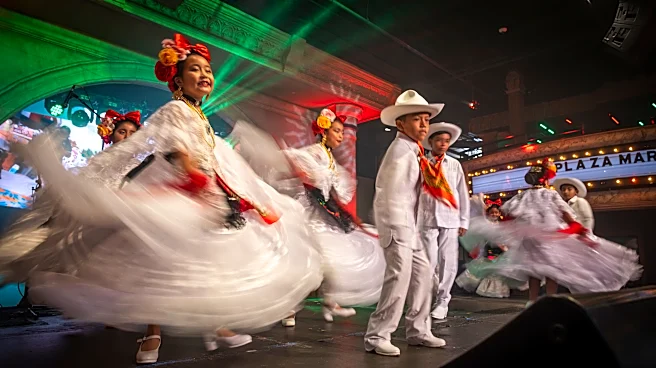
Throughout National Hispanic Heritage Month, various events, educational programs, and cultural celebrations will take place across the U.S., ranging from local community gatherings to national initiatives by institutions like the Smithsonian National Museum of the American Latino. These activities will continue to raise awareness about Hispanic heritage, promote cultural pride, and encourage engagement with Latino arts, music, and food. Businesses and organizations are likely to feature special promotions and content recognizing the month. The ongoing discussions about the terms 'Hispanic,' 'Latino,' and 'Latinx' will also continue, reflecting the diverse self-identifications within the community. The month will likely spark further conversations about the historical and contemporary challenges faced by Latino communities, including issues of immigration, representation, and socio-economic equity, encouraging continued advocacy and policy discussions.
Beyond the Headlines
Beyond the celebratory aspects, National Hispanic Heritage Month prompts deeper reflection on identity, belonging, and the complexities of cultural integration in the U.S. The debate over terms like 'Hispanic' versus 'Latino' or 'Latinx' reveals the nuanced and evolving nature of self-identification within a diverse pan-ethnic group, challenging monolithic labels. The historical context of the month, rooted in independence movements and struggles for rights, connects contemporary celebrations to a legacy of resilience and activism. The emphasis on family, mutual aid, and community highlights core values that have sustained these populations through generations of challenges. This observance also serves as a reminder of the ongoing need to address issues such as racialization, colonialism's legacy, and the importance of recognizing the contributions of all communities to the American narrative, fostering a more inclusive national identity.