





What's Happening?
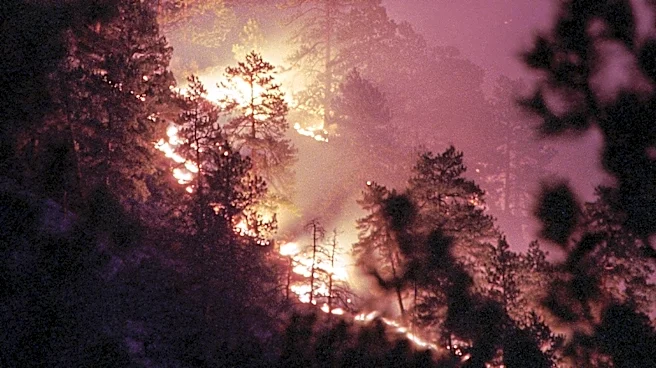
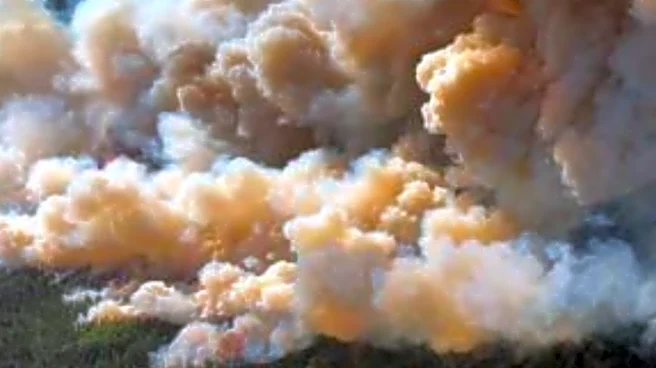
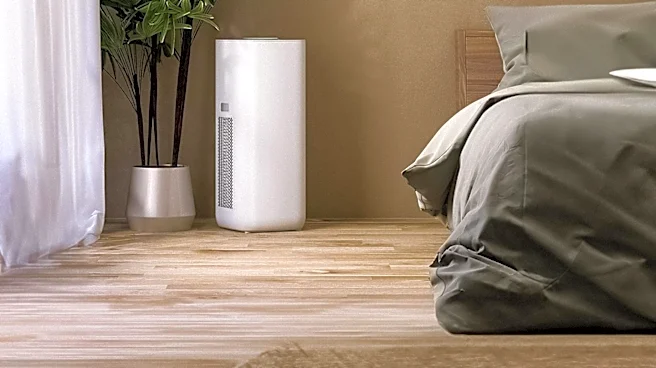
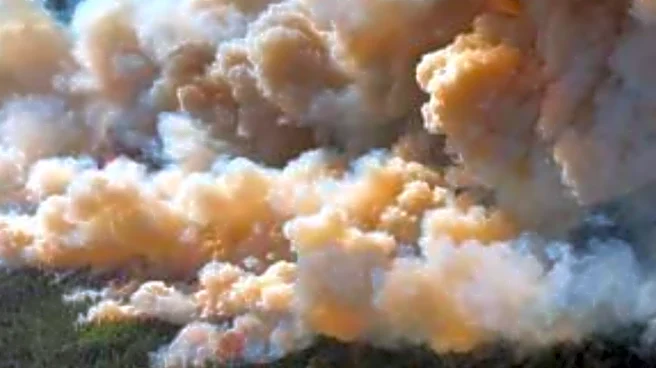
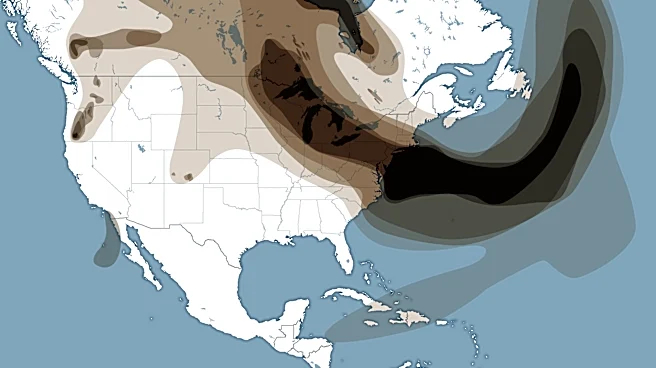
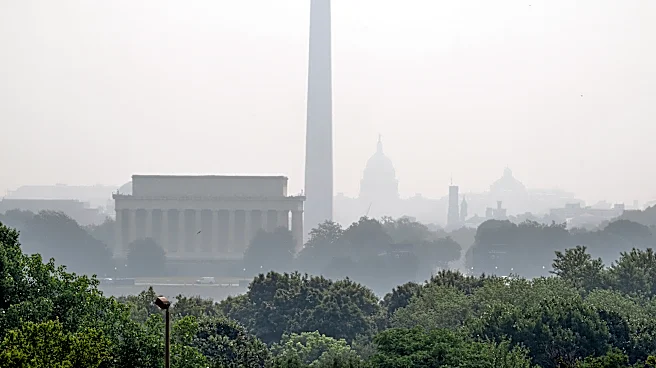
Millions of Americans are currently experiencing poor air quality due to smoke from Canadian wildfires and additional fires in northern Minnesota. The smoke contains harmful gases and tiny particles, particularly PM2.5, which can penetrate deep into the lungs
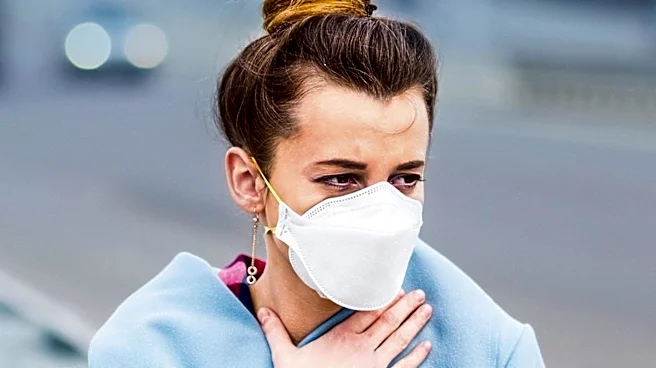
and enter the bloodstream, posing significant health risks. Health experts are advising residents in affected areas to minimize outdoor activities and take precautions to improve indoor air quality. Recommendations include using HEPA filters, keeping windows closed, and ensuring proper ventilation. Additionally, wearing well-fitted masks like N95 or KN95 is advised when going outside. The situation underscores the importance of checking real-time air quality updates from sources like AirNow.gov to plan daily activities safely.
Why It's Important?
The health implications of wildfire smoke are significant, affecting not only those with pre-existing respiratory conditions but also healthy individuals. The presence of PM2.5 particles can exacerbate respiratory issues and lead to long-term health problems. The economic impact is also notable, as businesses may face disruptions due to reduced outdoor activities and potential health-related absences. Public health systems could experience increased demand for services, particularly in emergency rooms, as individuals seek treatment for smoke-related health issues. The situation highlights the need for robust public health strategies and infrastructure to manage air quality crises effectively.
What's Next?
As wildfires continue to burn, air quality is expected to fluctuate, necessitating ongoing monitoring and public advisories. Residents in affected areas should remain vigilant, keeping emergency supplies like masks and medications readily available. Public health officials may issue further guidelines or restrictions to protect vulnerable populations. Long-term, there may be increased advocacy for policies addressing climate change and wildfire management to mitigate future occurrences. The situation also presents an opportunity for technological advancements in air quality monitoring and filtration systems.