




What's Happening?
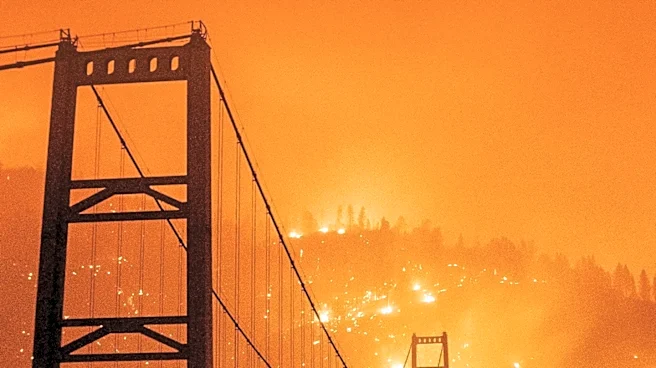
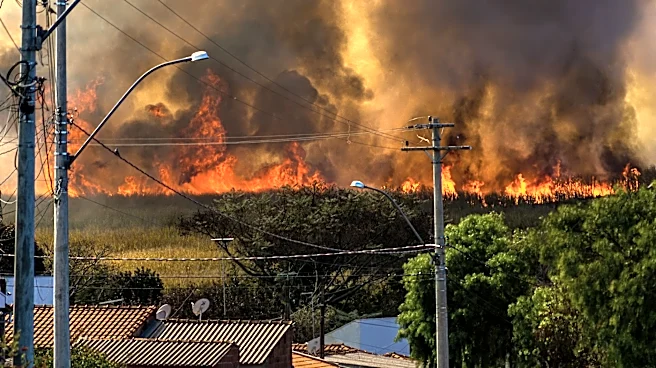
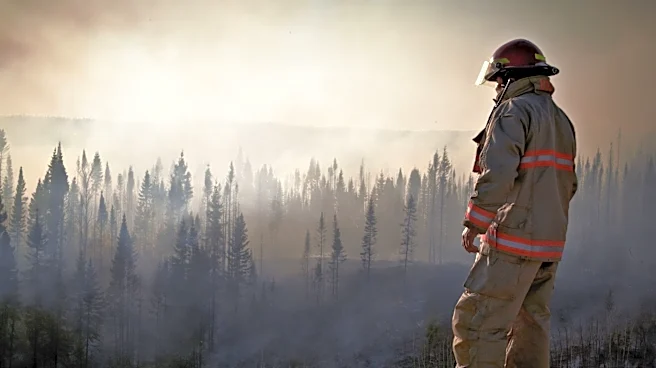
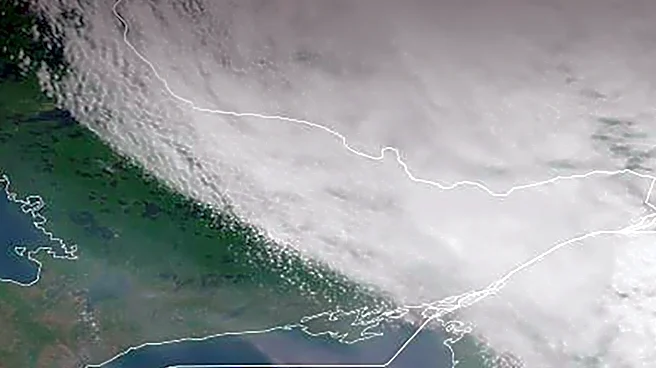
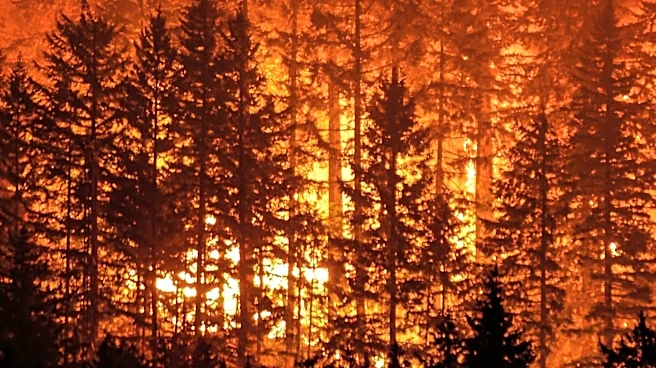
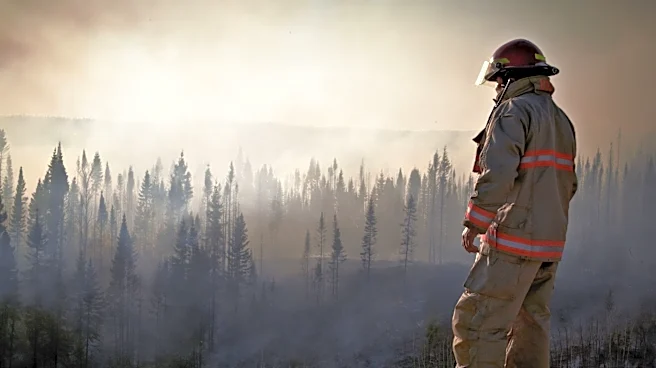
A recent study has highlighted the significant economic impact of wildfire smoke on Michigan, estimating losses of at least $4 billion. The smoke, which covered parts of the United States for several days, has had a profound effect on the state's economy.
The study underscores the widespread consequences of wildfires, which are not limited to the immediate areas affected by the fires themselves but extend to regions far from the actual fire sites. The economic losses are attributed to disruptions in various sectors, including health, transportation, and tourism, as the smoke led to decreased air quality and visibility, affecting daily activities and business operations.
Why It's Important?
The findings of this study are crucial as they highlight the far-reaching economic implications of environmental disasters like wildfires. For Michigan, a state not directly affected by the fires, the $4 billion loss underscores the interconnectedness of environmental and economic systems. This situation emphasizes the need for comprehensive strategies to mitigate the impact of such events, not only in areas directly affected by wildfires but also in regions that suffer from secondary effects like smoke. The study serves as a wake-up call for policymakers and businesses to invest in preventive measures and adaptive strategies to minimize future economic disruptions caused by environmental factors.
What's Next?
In response to these findings, there may be increased pressure on state and federal governments to enhance their wildfire management and response strategies. This could include investing in better air quality monitoring systems, improving public health advisories, and developing more robust economic support mechanisms for affected industries. Additionally, businesses might need to reassess their risk management plans to account for the indirect impacts of environmental disasters. The study could also prompt further research into the economic effects of climate change-related events, leading to more informed policy decisions.