
What's Happening?
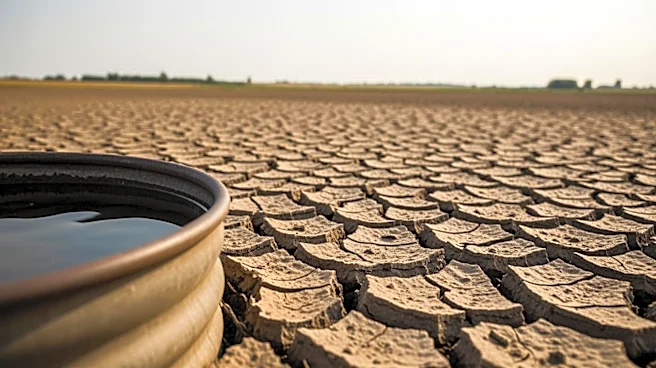
The United States Department of Agriculture (USDA) has designated several counties in Nebraska as natural disaster areas due to prolonged drought conditions. This designation allows the USDA Farm Service
Agency to offer emergency loan assistance to affected agricultural producers. The drought has met federal intensity standards classified as severe, extreme, or exceptional during the growing season, leading to reduced crop yields, livestock stress, and financial losses across many farming regions. The primary Nebraska counties eligible for disaster assistance include Adams, Antelope, Arthur, Banner, Boone, Box Butte, Boyd, Buffalo, Butler, Cedar, Chase, Cherry, Cheyenne, Clay, Colfax, Custer, Dawes, Dawson, Deuel, Dixon, Dundy, Frontier, Furnas, Garden, Garfield, Gosper, Grant, Greeley, Hall, Hamilton, Hayes, Hitchcock, Holt, Hooker, Howard, Kearney, Keith, Kimball, Knox, Lincoln, Loup, McPherson, Madison, Merrick, Morrill, Nance, Perkins, Phelps, Pierce, Platte, Polk, Red Willow, Scotts Bluff, Seward, Sheridan, Sherman, Sioux, Valley, Wayne, Wheeler, and York. Contiguous counties in Nebraska, Colorado, Kansas, South Dakota, and Wyoming also qualify for assistance.
Why It's Important?
The USDA's designation of Nebraska counties as natural disaster areas is crucial for the agricultural sector, as it provides much-needed financial relief to farmers facing severe drought conditions. The emergency loans can help farmers replace damaged equipment, purchase livestock, reorganize farm operations, or refinance eligible debts. This support is vital for maintaining the viability of farms affected by the drought, which has caused significant economic strain. The assistance aims to stabilize the agricultural economy in the region, ensuring that farmers can continue their operations and contribute to the local and national food supply. The program also highlights the importance of federal support in mitigating the impacts of climate-related challenges on agriculture.
What's Next?
Farmers in the designated disaster areas have until December 15, 2026, to apply for emergency loans. The USDA Service Centers and online tools at farmers.gov are available to help producers understand eligibility and access disaster recovery programs. The ongoing support from the USDA will be critical in helping farmers recover from the drought and prepare for future growing seasons. As climate change continues to impact weather patterns, similar support mechanisms may become increasingly necessary to sustain agricultural productivity and food security.