




What's Happening?
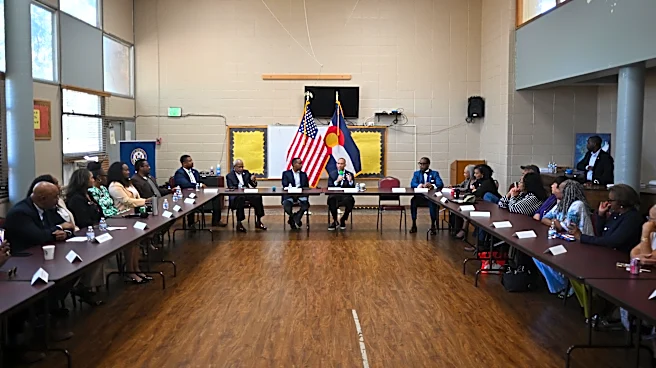
Five of the six candidates vying for Evanston's mayoral seat participated in their first group forum, focusing on transportation and climate policy. The event, co-hosted by the Evanston Transit Alliance and Climate Action Evanston, saw candidates Jeff
Boarini, Stephanie Mendoza, Jane Grover, Gilo Logan, and Jeff Smith answer questions from residents. Key areas of consensus included the need for improved east-west transit service, stronger implementation of the upcoming Bike Plan update, and expanded funding for energy efficiency programs like the Green Homes pilot. Candidates also discussed accountability, particularly regarding Northwestern University's compliance with the Healthy Buildings Ordinance. Former Councilmember Ann Rainey, the sixth candidate, submitted her answers in writing due to a prior commitment.
Why It's Important?
This forum marks a crucial initial step in the mayoral race, allowing candidates to articulate their stances on critical local issues that directly impact Evanston residents' daily lives and the city's long-term sustainability. The broad alignment on transportation and climate goals indicates a shared understanding among candidates of the community's priorities in these areas. However, their efforts to differentiate their experiences and approaches highlight the importance of leadership style and practical implementation strategies. The discussion on holding institutions like Northwestern University accountable for environmental compliance underscores the ongoing tension between large organizations and local governance, and the mayor's role in navigating these relationships. The outcomes of this election will shape Evanston's policies on infrastructure, environmental protection, and community development for the foreseeable future.
What's Next?
The mayoral race will proceed with a special election, including a primary on February 23 and a likely runoff on April 6, to fill the remaining term of former Mayor Daniel Biss. Candidates are expected to continue differentiating themselves through their proposed experiences and approaches to governance. Future forums and campaign events will likely delve deeper into specific policy proposals and how candidates plan to achieve their stated goals, particularly regarding funding and community engagement. The issue of accountability for large institutions, such as Northwestern University, will remain a key point of discussion, with candidates needing to present clear strategies for ensuring compliance and fostering productive relationships. The incoming mayor will face the immediate challenge of translating broad policy agreements into actionable plans and ensuring timely implementation of initiatives like the Bike Plan update and energy efficiency programs.
Beyond the Headlines
The mayoral candidates' focus on transportation and climate action reflects a growing trend in local U.S. politics where environmental sustainability and urban planning are becoming central to electoral platforms. The emphasis on 'deliverables' and accountability, particularly from a corporate project manager like Jeff Boarini, suggests a demand for pragmatic, results-oriented leadership. The differing approaches to engaging with Northwestern University—ranging from Jeff Smith's 'speaking truth to power' to Gilo Logan's focus on relationship-building—illustrate the complex dynamics of local governance where collaboration and enforcement must coexist. This election could serve as a microcosm for how U.S. cities are grappling with climate change and urban development, showcasing innovative solutions and the challenges of implementing them within diverse community contexts. The role of the mayor in fostering innovation and ensuring staff comfort in proposing new ideas, as highlighted by Stephanie Mendoza, points to the importance of internal city leadership in driving progress.