





What's Happening?
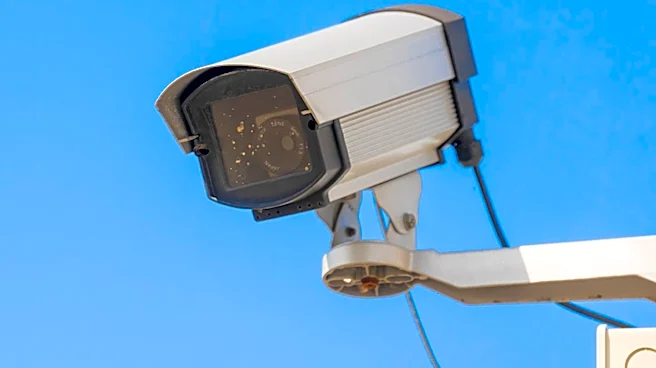
A security researcher and YouTuber, Benn Jordan, claims to have accessed numerous Flock Safety cameras online without requiring usernames or passwords. He states that the footage from these cameras was unencrypted, allowing him to monitor locations and link
license plate data to individuals' daily routines. This incident has sparked a debate regarding the nature of the access, with Flock Safety maintaining that its network of over 120,000 law enforcement cameras has never been 'hacked.' The company suggests that Jordan's actions constitute 'unauthorized access' rather than a hack. This development highlights ongoing concerns about the security and privacy implications of widespread surveillance technology, particularly in cities like Atlanta, which is noted as one of the most surveilled U.S. cities.
Why It's Important?
This event is significant because it underscores critical vulnerabilities in surveillance systems widely adopted by law enforcement across the U.S. The potential for unauthorized access to unencrypted footage and license plate data raises serious privacy concerns for citizens. If such systems can be accessed without proper authentication, it could lead to misuse of data, tracking of individuals without their consent, and potential security breaches that compromise personal information. For Flock Safety, a company that has deployed over 120,000 cameras nationwide, this incident could damage its reputation and trust among its clients and the public. It also brings into question the adequacy of current cybersecurity measures in policing technology and the definitions of 'hacking' versus 'unauthorized access' in a legal and practical context.
What's Next?
The dispute between Benn Jordan and Flock Safety is likely to continue, potentially leading to further investigations into the security protocols of Flock cameras. Law enforcement agencies utilizing these cameras may face increased scrutiny and calls for enhanced security measures and transparency regarding data handling. There could be a push for clearer regulations and standards for policing technology, especially concerning data encryption and access controls. Public awareness campaigns about surveillance technology and privacy rights may also gain momentum. Depending on the outcome of any potential investigations, Flock Safety might be compelled to implement more robust security features or face legal challenges regarding data protection and privacy.
Beyond the Headlines
This incident delves into the broader ethical and legal implications of pervasive surveillance in modern society. The ease with which a researcher could access these cameras highlights a fundamental tension between public safety and individual privacy. It raises questions about who has access to sensitive data, how that data is secured, and the potential for mission creep where surveillance tools designed for crime prevention could be used for other purposes. The debate over 'hacking' versus 'unauthorized access' also points to a need for clearer legal frameworks that address cybersecurity in the context of public infrastructure and private data. This event could catalyze a re-evaluation of the balance between technological advancement in security and the protection of civil liberties.