






What's Happening?
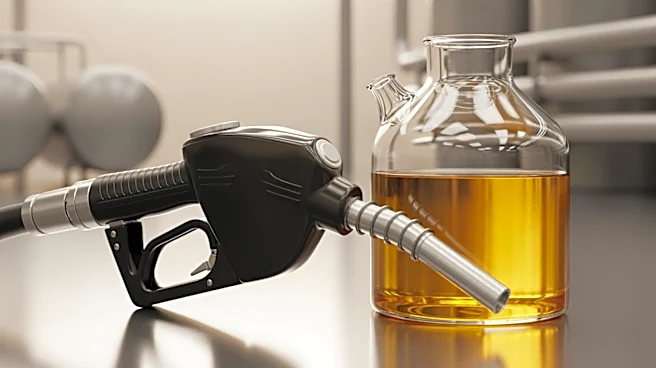
The Environmental Protection Agency (EPA) has announced a temporary emergency fuel waiver to address the ongoing fuel shortage in the United States. This waiver will allow the nationwide sale of E15 gasoline, which is blended with 15 percent ethanol,
and remove federal restrictions on selling E10 gasoline, which contains 10 percent ethanol. The waiver aims to increase fuel supply and provide more options for consumers, particularly ahead of the summer driving season. The EPA's actions are set to take effect on May 1, 2026, and will remain in place until May 20, 2026. This move is part of a broader effort to reduce reliance on imported fuels and enhance U.S. energy independence by cutting regulatory red tape.
Why It's Important?
The EPA's decision to issue an emergency waiver for ethanol-blended gasoline is significant as it seeks to mitigate the impact of rising fuel prices on American consumers. By increasing the availability of E15 gasoline, the EPA aims to provide a more affordable fuel option, potentially easing the financial burden on families, farmers, and manufacturers. This action also underscores the U.S. government's commitment to bolstering domestic energy production and reducing dependency on foreign oil, which is crucial in light of global supply disruptions. However, the increased use of ethanol-blended fuels may have environmental implications, as E15 is known to produce more smog than E10, raising concerns about air quality.
What's Next?
As the EPA's waiver goes into effect, stakeholders will be closely monitoring its impact on fuel prices and supply. Gas stations across the country will need to adjust their offerings to accommodate the increased availability of E15 gasoline. Additionally, there may be legal and environmental challenges to the waiver, particularly from states with stringent air quality standards. The EPA will need to address these concerns while ensuring that the waiver achieves its intended goal of providing relief at the pumps. The situation also highlights the need for long-term strategies to enhance energy security and sustainability in the U.S.
Beyond the Headlines
The decision to promote ethanol-blended fuels raises questions about the long-term viability of ethanol as a sustainable energy source. While ethanol can reduce reliance on fossil fuels, its production is resource-intensive, requiring significant amounts of water and agricultural inputs. Moreover, the lower energy density of ethanol compared to gasoline means that vehicles may experience reduced fuel efficiency, potentially offsetting some of the cost savings. These factors highlight the complexity of balancing energy independence with environmental and economic considerations.