






What's Happening?
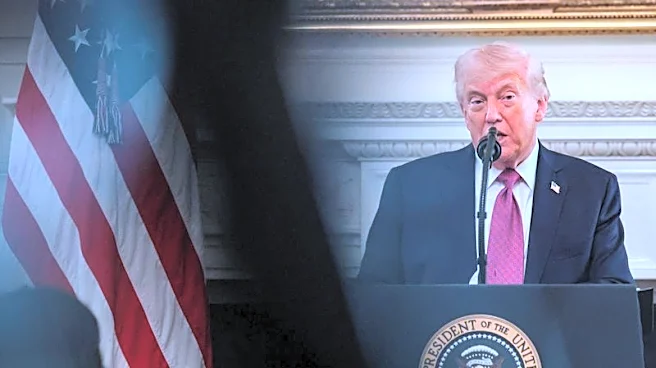
Iran has stated that no direct meeting with U.S. officials is planned during the upcoming talks in Pakistan, despite the White House's announcement that President Trump's envoys, Steve Witkoff and Jared Kushner, are traveling for discussions with Iranian
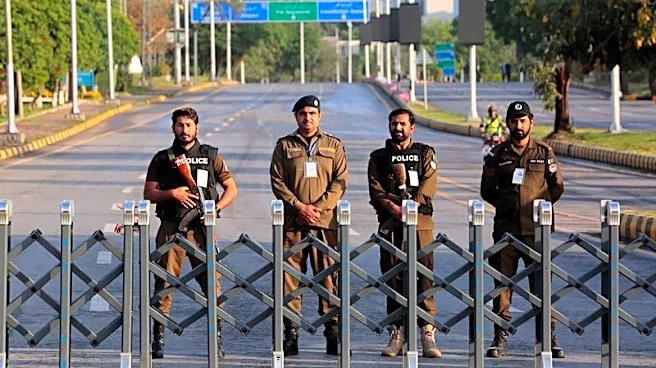
representatives. Iranian Foreign Ministry spokesman Esmaeil Baqaei emphasized that Iran's Foreign Minister Abbas Araghchi is in Pakistan for official visits, but any communication with the U.S. will be mediated through Pakistani officials. This development comes as the U.S. seeks to engage Iran in dialogue to potentially reach a diplomatic agreement, amidst ongoing regional tensions.
Why It's Important?
The absence of direct talks between the U.S. and Iran highlights the complexities and challenges in diplomatic negotiations between the two nations. The situation underscores the delicate nature of U.S.-Iran relations, which have significant implications for regional stability and international security. Successful mediation by Pakistan could lead to a breakthrough, but the lack of direct engagement may hinder progress. The outcome of these talks could influence U.S. foreign policy and its approach to Middle Eastern geopolitics, affecting both regional allies and adversaries.
What's Next?
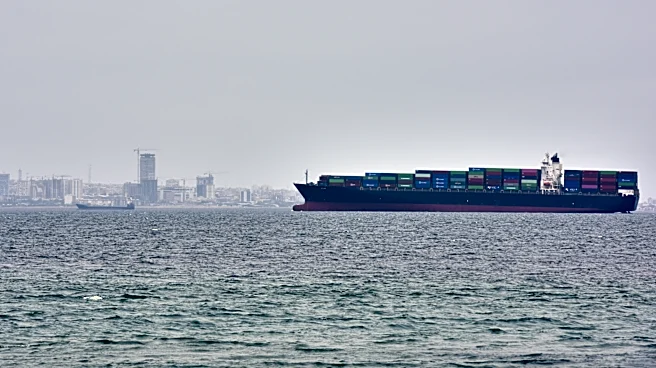
The U.S. and Iran may continue to explore indirect channels for negotiation, with Pakistan playing a key mediating role. The U.S. has expressed hope for productive discussions, but the path forward remains uncertain. The international community will be closely monitoring these developments, as they could have far-reaching implications for regional stability and global diplomatic relations. The potential for military action remains, as the U.S. prepares contingency plans for operations in the Strait of Hormuz.