



What's Happening?
Aluminum prices have surged due to escalating conflict in the Middle East, which threatens to disrupt critical supply routes. The Strait of Hormuz, a vital trade chokepoint, is used by major aluminum producers in the region to export metal and import
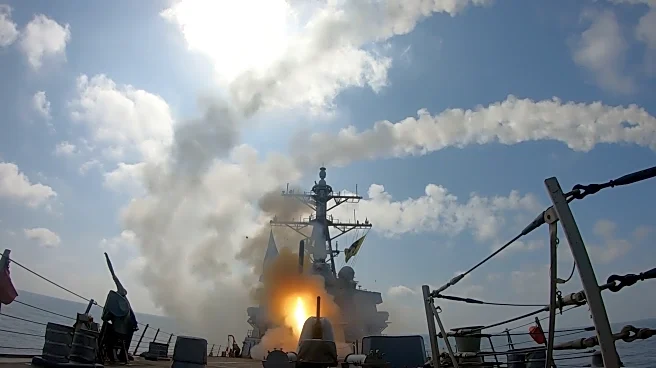
raw materials. The conflict intensified after the US and Israel launched attacks on Iran, prompting retaliatory strikes from Tehran. The Middle East accounts for approximately 9% of the world's aluminum capacity, making the region's stability crucial for global supply chains.
Why It's Important?
The rise in aluminum prices underscores the vulnerability of global supply chains to geopolitical tensions. As a key material used in various industries, including automotive and construction, disruptions in aluminum supply can have widespread economic implications. The conflict's impact on aluminum prices may lead to increased costs for manufacturers and consumers, potentially affecting economic growth. Additionally, the situation highlights the strategic importance of the Middle East in global trade and the need for diversified supply sources to mitigate risks associated with regional instability.
What's Next?
The ongoing conflict in the Middle East is likely to keep aluminum prices volatile in the near term. Stakeholders, including governments and industry players, may seek alternative supply routes or increase stockpiles to cushion against potential disruptions. The situation could also prompt discussions on enhancing energy security and diversifying supply chains to reduce dependence on geopolitically sensitive regions. Monitoring developments in the Middle East will be crucial for businesses and policymakers to anticipate and respond to potential economic impacts.