




What's Happening?
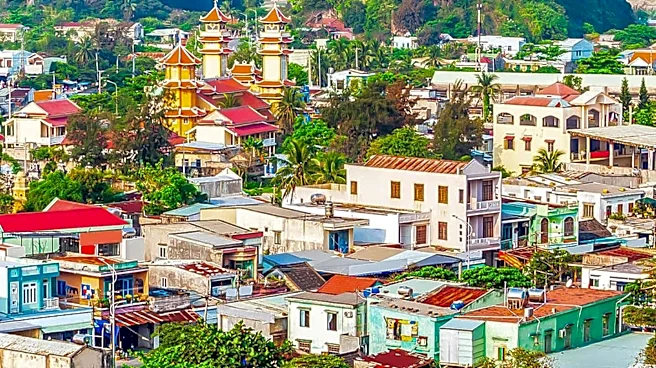
Vietnam experiences distinct rainy and typhoon seasons that vary significantly by region due to its elongated geography and the influence of different monsoons. Northern Vietnam, including Hanoi, Sapa, and Ha Long, sees its rainy season from May to October,
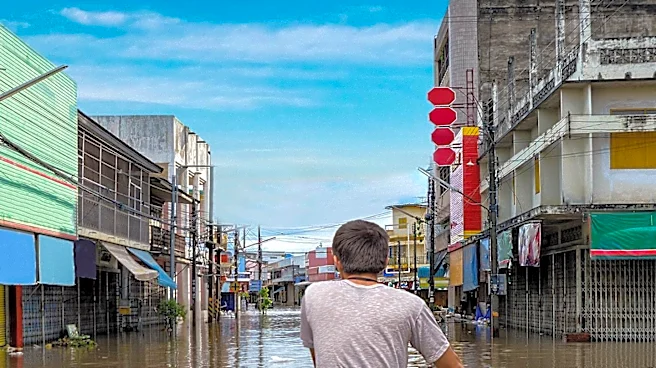
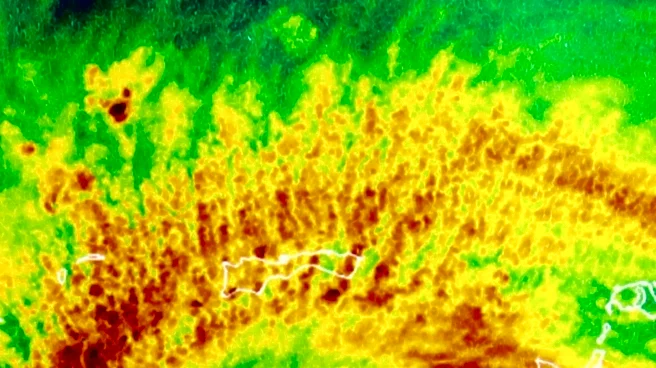
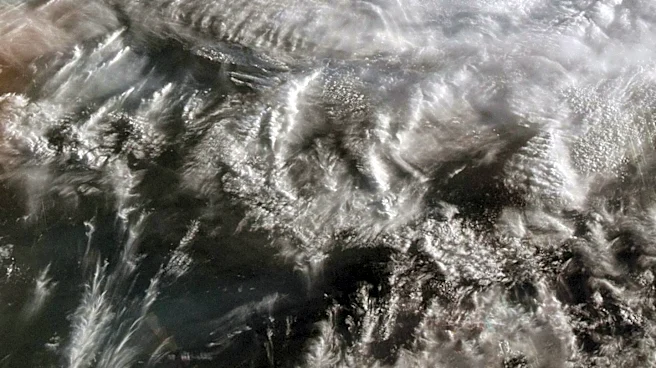
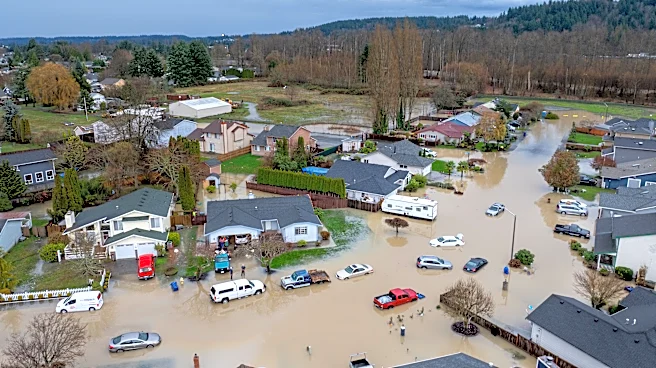
with the heaviest rainfall from June to September. The central coast, encompassing Hue, Da Nang, and Hoi An, experiences rain from September to December, with October and November being the wettest months, often leading to floods. Southern Vietnam, including Saigon, the Mekong Delta, and Phu Quoc, has its rainy season from May to November, typically characterized by short afternoon storms. Typhoon season generally runs from May to early December, with the north most at risk from July to October, the central coast from September to early December, and the south rarely affected, with the highest small risk in early November. Authorities issue typhoon forecasts days in advance, leading to proactive measures such as suspending cruises and delaying flights.
Why It's Important?
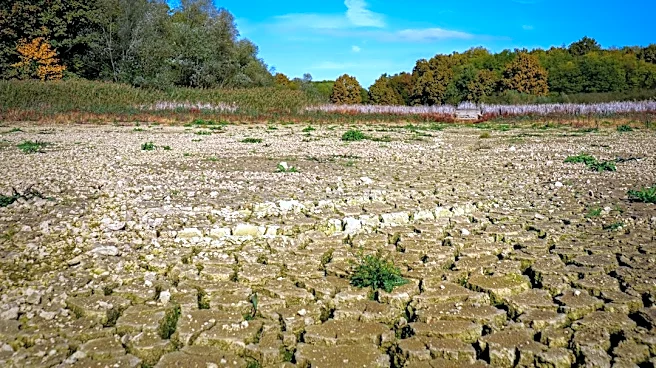
The varied climatic patterns across Vietnam have significant implications for tourism, agriculture, and infrastructure. For travelers, understanding these regional differences is crucial for planning visits to avoid severe weather and potential disruptions. For instance, while the north and south may be wet from May to August, the central coast offers dry conditions, making it a suitable destination during those months. Conversely, the central coast should be avoided in October and November due to common flooding. Agriculturally, the timing and intensity of rainfall directly impact crop cycles and yields, particularly in the Mekong Delta, a major rice-producing region. Furthermore, the recurring typhoons and floods pose ongoing challenges for infrastructure development and disaster preparedness, requiring continuous investment in resilient construction and early warning systems to protect lives and property.
What's Next?
As climate patterns continue to evolve, Vietnam will likely face ongoing challenges in managing the impacts of its distinct rainy and typhoon seasons. Continued investment in weather forecasting technology and early warning systems will be crucial for minimizing the human and economic toll of severe weather events. Local authorities and communities will need to maintain and enhance their disaster preparedness and response protocols, especially in flood-prone areas like Hoi An. For the tourism sector, adapting to these weather patterns will involve promoting regional travel based on seasonal conditions and offering flexible booking options. Long-term strategies may also include climate-resilient urban planning and agricultural practices to mitigate the effects of extreme weather, ensuring sustainable development across the country.
Beyond the Headlines
The complex interplay of monsoons and typhoons in Vietnam highlights the broader global issue of climate vulnerability, particularly for countries with extensive coastlines and diverse topographies. The country's experience serves as a case study for how different regions within a single nation can face vastly different climate-related challenges. This necessitates a nuanced approach to climate adaptation and mitigation strategies, rather than a one-size-fits-all solution. The economic and social resilience of Vietnamese communities is continually tested by these natural phenomena, driving innovation in areas like flood-resistant housing and sustainable water management. Furthermore, the detailed understanding of these weather patterns is essential for international aid organizations and climate scientists studying the localized impacts of global climate change, offering valuable data and insights into effective regional adaptation measures.