


What's Happening?
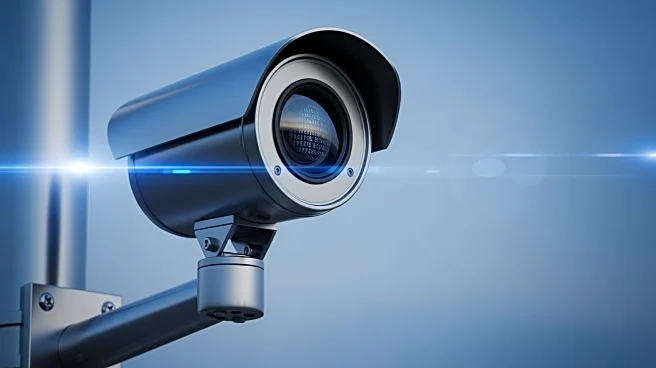
Uzbekistan's nationwide license plate surveillance system has been found exposed online without password protection, allowing unrestricted access to its data. This system, operated by the Department of Public Security in Uzbekistan's Ministry of Internal
Affairs, uses high-resolution cameras to monitor traffic violations across the country. The exposure was discovered by security researcher Anurag Sen, who reported that the system's database contains millions of photos and video footage of vehicles, along with the real-world locations of the cameras. The surveillance system, which began operations in mid-2025, is part of a broader trend of increasing use of license plate readers worldwide, including in the United States.
Why It's Important?
The exposure of Uzbekistan's surveillance system highlights significant security and privacy risks associated with mass monitoring technologies. Such systems, while intended to enhance public safety by tracking traffic violations, can also lead to potential misuse of personal data if not properly secured. The incident underscores the need for robust cybersecurity measures to protect sensitive information collected by surveillance technologies. In the U.S., where similar systems are being deployed, this serves as a cautionary tale about the vulnerabilities that can arise from inadequate data protection. The situation also raises ethical questions about the balance between public safety and individual privacy rights.
What's Next?
The Uzbek government has yet to respond to inquiries about the security lapse, leaving the system exposed at the time of reporting. This incident may prompt calls for stricter regulations and oversight of surveillance technologies, both in Uzbekistan and internationally. In the U.S., where similar systems are in use, there may be increased scrutiny on the security practices of companies providing these technologies. Stakeholders, including privacy advocates and government agencies, may push for enhanced data protection standards to prevent similar exposures in the future.