






What's Happening?
The Concord Housing and Redevelopment Authority (CHRA) is facing a lawsuit from the American Civil Liberties Union of New Hampshire (ACLU-NH) and New Hampshire Legal Assistance. The lawsuit alleges that CHRA violated tenants' constitutional rights and privacy
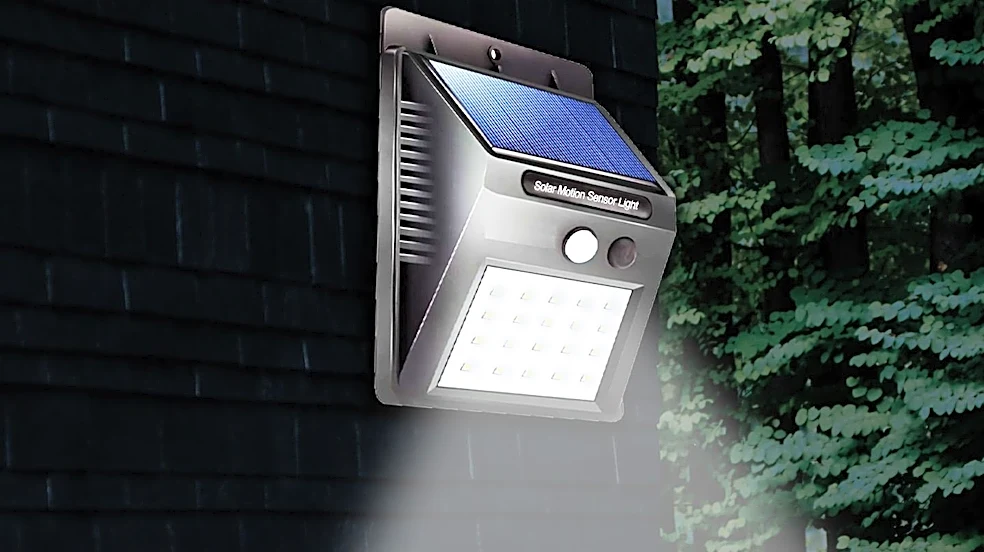
by installing approximately 300 Minut Monitor devices in their apartments. While CHRA informed tenants that these devices would detect smoking, excessive noise, and temperature, and would not record sound or motion, court documents reveal a different reality. An agreement between CHRA and Minut Inc. shows CHRA subscribed to Minut's 'Pro Plan,' which includes occupancy monitoring and motion sensing capabilities. Records obtained by the ACLU and New Hampshire Legal Assistance indicate that passive infrared motion sensors in these devices have been logging activity in each unit, showing timestamps of detected motion. Tenants, like Ryan Deachman, expressed feeling surveilled and compared the experience to being in prison, stating they were not fully informed about the devices' capabilities and felt pressured to accept them.
Why It's Important?
This lawsuit highlights significant concerns regarding tenant privacy and surveillance in federally funded affordable housing. The discrepancy between what the Concord Housing Authority communicated to its residents and the actual capabilities of the installed devices raises questions about transparency and informed consent. For low-income families, older adults, and individuals with disabilities who often reside in such housing, the fear of retaliation, including eviction, can prevent them from speaking out or challenging such policies. The case could set a precedent for how housing authorities implement technology for property management, potentially influencing privacy policies and tenant rights in similar housing programs nationwide. It underscores the tension between property management's desire for compliance (e.g., smoke-free policies) and residents' fundamental right to privacy within their homes.
What's Next?
The lawsuit against the Concord Housing Authority is proceeding in Merrimack County Superior Court. Residents report that the Minut devices remain operational since the lawsuit was filed, and there has been no further communication from the housing authority regarding their use. The outcome of this legal challenge will likely determine the future of these surveillance devices in Concord Housing properties and could influence similar practices in other public housing agencies. Stakeholders, including tenant advocacy groups and other housing authorities, will be closely watching the court's decision. Depending on the ruling, there could be calls for clearer regulations from the U.S. Department of Housing and Urban Development (HUD) regarding the use of monitoring technology in federally assisted housing, potentially leading to new guidelines on tenant notification and consent.
Beyond the Headlines
The situation in Concord extends beyond immediate privacy concerns, touching upon broader ethical and societal implications of technology in residential settings. The feeling of constant surveillance, as described by tenants, can erode the sense of security and autonomy within one's own home, particularly for vulnerable populations. This case also brings to light the power imbalance between housing authorities and their residents, where the threat of losing housing can compel compliance even when privacy rights are perceived to be violated. The lack of transparency from the housing authority, coupled with the absence of board meeting minutes for over a decade, suggests a systemic issue in accountability and communication. This scenario could prompt a wider discussion on digital rights for tenants and the need for robust oversight mechanisms to ensure that technological advancements in housing do not inadvertently create environments of fear and control.