





What's Happening?
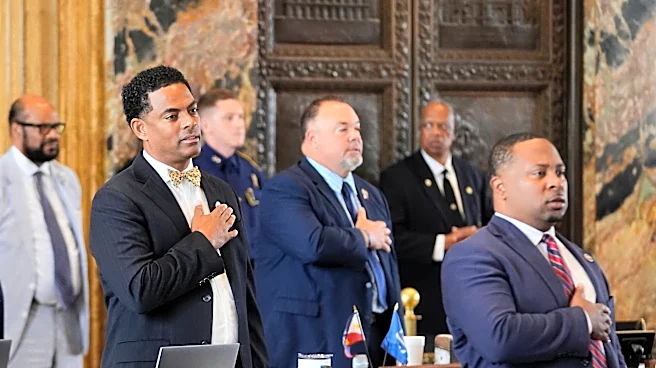
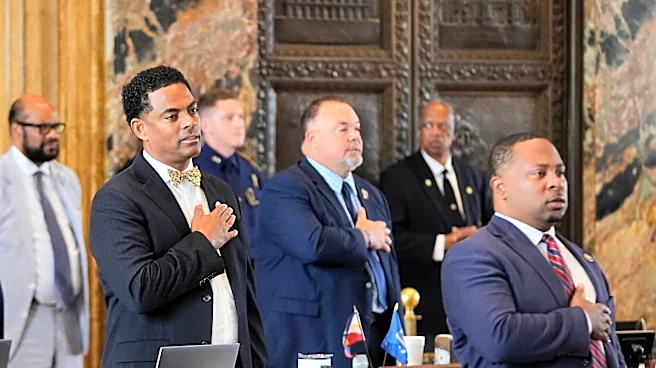
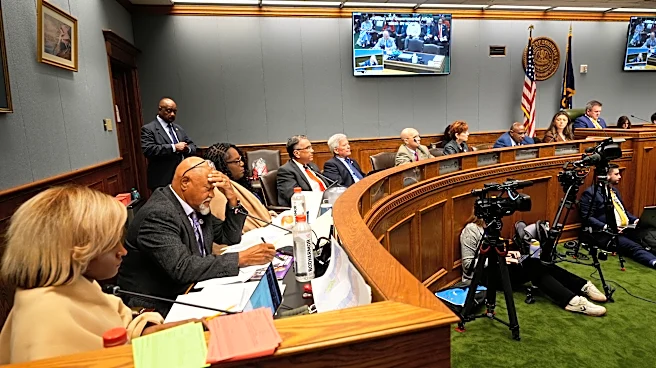
The Louisiana Legislature has passed Senate Bill 4 (SB4), which could allow local communities to hold elections on whether their public water systems should continue fluoridating drinking water. The bill, introduced by State Senator Mike Fesi, a Republican,
has cleared both the House and Senate and is now awaiting the signature of Governor Jeff Landry. Under current law, public water systems in Louisiana can be exempted from fluoridation only after a petition signed by at least 15 percent of registered voters in the affected precincts is submitted and a local election is held. SB4 proposes that any system can opt out if a local governing authority calls an election, with a majority vote deciding the outcome. This legislative move comes amid ongoing debates about the health impacts of fluoride, with some arguing it causes health problems in children, while others, like the Louisiana Dental Association, maintain it is a safe and effective measure for reducing dental decay.
Why It's Important?
The passage of SB4 is significant as it reflects a growing trend of localizing decisions on public health measures, particularly those involving fluoride in drinking water. This development is part of a broader national conversation influenced by figures like Health and Human Services Secretary Robert F. Kennedy Jr., who advocates for the removal of fluoride from public water systems. The bill's potential enactment could lead to varied fluoridation practices across Louisiana, affecting public health outcomes, especially in areas with limited access to dental care. Currently, only 39 percent of Louisiana residents benefit from community water fluoridation, compared to nearly 75 percent nationally. The decision to allow local votes could empower communities but also lead to disparities in dental health based on local governance decisions.
What's Next?
If Governor Landry signs SB4 into law, the next steps will involve local governing bodies deciding whether to call elections on the issue. This could lead to a patchwork of fluoridation practices across the state, depending on the outcomes of these local votes. Stakeholders such as public health officials, dental associations, and community leaders will likely engage in campaigns to influence public opinion and voter turnout in these potential elections. The decision could also prompt other states to consider similar legislative measures, further decentralizing public health decisions related to water fluoridation.