







What's Happening?
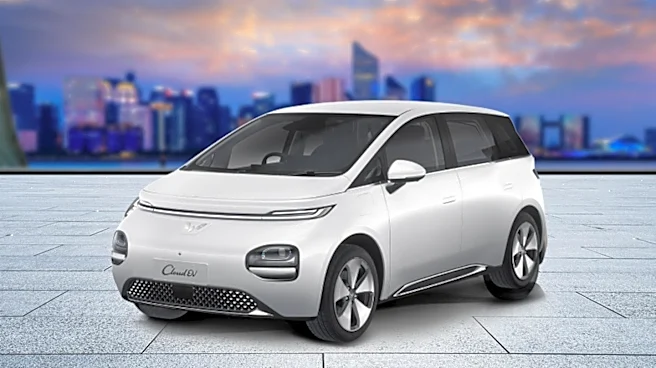
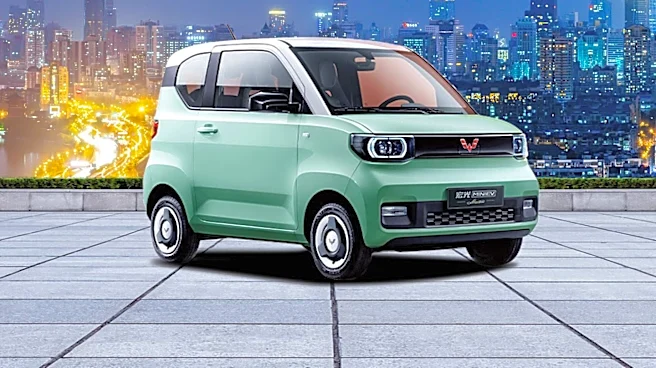
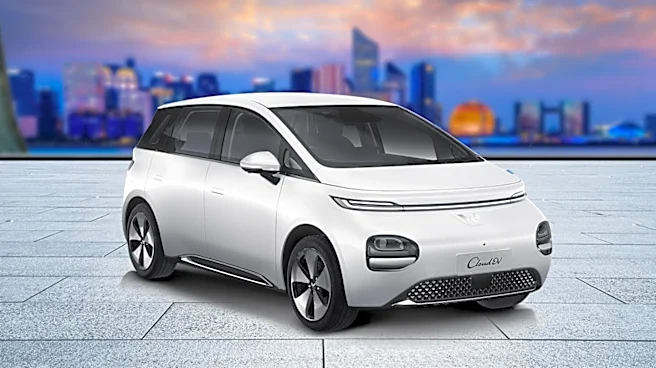
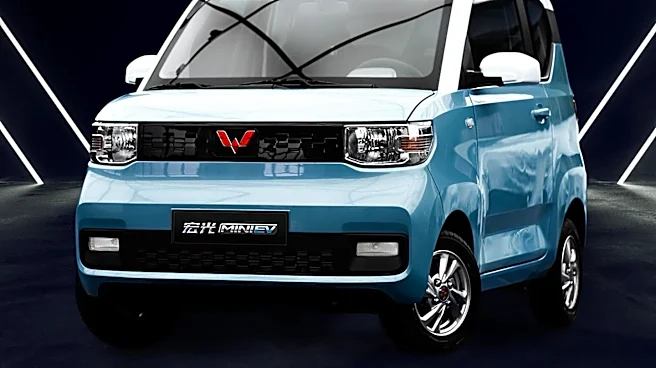
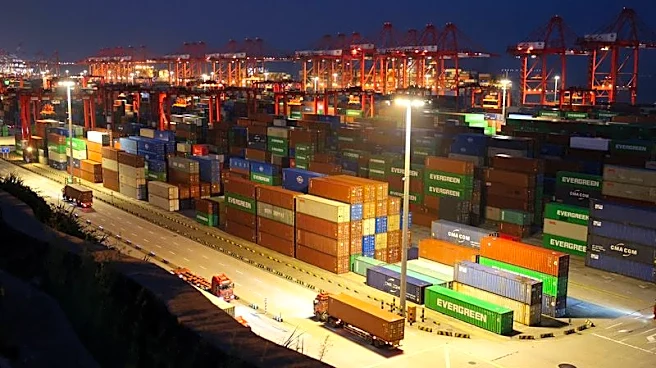
China's car exports have reached a new milestone, surpassing 1 million units in June, marking a significant increase in the country's overall trade performance. This surge in exports, particularly in electric and hybrid vehicles, has intensified competition
in the European market, putting pressure on established car manufacturers like Volkswagen. The Mercator Institute for China Studies reported that China maintained a substantial goods surplus with the EU, which could heighten trade tensions with both the U.S. and the EU. The increase in exports is partly attributed to suppressed domestic demand and a global boom in AI-related products, including integrated circuits.
Why It's Important?
The rise in China's car exports poses a challenge to U.S. and European car manufacturers, potentially leading to job losses and restructuring within these industries. Volkswagen, for instance, is considering significant workforce reductions as part of its restructuring efforts. The trade surplus with the EU could lead to increased scrutiny and potential trade measures from Western countries, as they seek to protect their domestic industries. This development underscores the ongoing global trade dynamics and the strategic positioning of China in the international market, which could have long-term implications for global trade policies and economic relations.
What's Next?
As China continues to expand its export capabilities, Western countries may consider implementing protective measures to safeguard their industries. The EU and the U.S. might engage in discussions to address the trade imbalance and explore potential tariffs or restrictions on Chinese imports. Additionally, companies like Volkswagen will need to adapt to the changing market conditions, possibly accelerating their transition to electric vehicles to remain competitive. The situation may also prompt further diplomatic engagements between China and Western nations to negotiate trade terms and address mutual concerns.