






What's Happening?
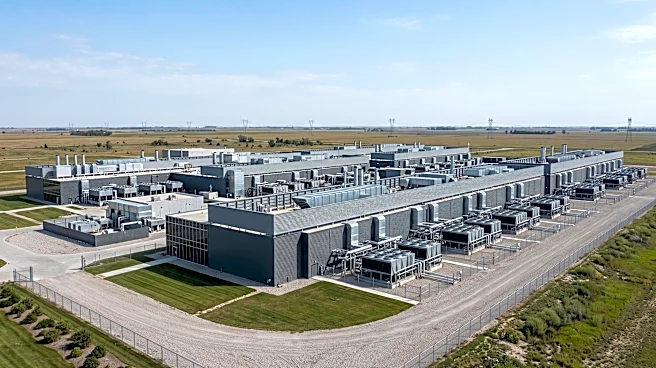
The Sierra Club Iowa Chapter has sent a letter to the Iowa Economic Development Authority, advocating for robust public protections, good-paying jobs, and clean energy provisions in any taxpayer-funded incentive package for Mesabi Metallics' steel mill.
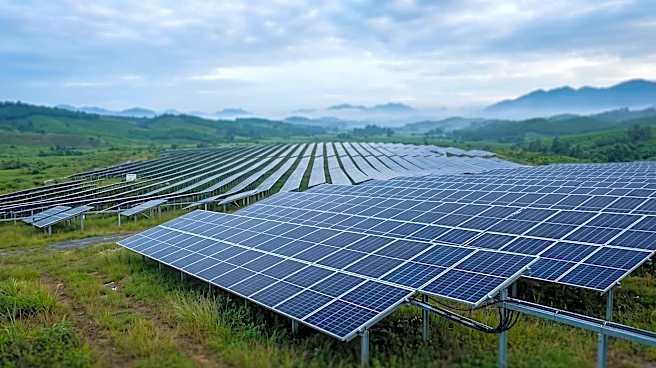
The organization emphasizes that public funds should not be an unconditional handout to industry but should secure tangible benefits for the public. Key recommendations include requiring Mesabi Metallics to procure new renewable energy to meet its electricity demands and ensuring that the costs of new power generation and electrical infrastructure do not negatively impact residential ratepayers. Additionally, the Sierra Club calls for the implementation of energy efficiency measures and the electrification of as much equipment as possible within the facility. The letter also stresses the importance of strong pollution controls, such as limiting fugitive dust, using covered and zero-ememissions trucks, and enclosing indoor storage for raw materials and waste. A credible pathway to using 100% green or geologic hydrogen in the direct reduction process is also requested.
Why It's Important?
This intervention by the Sierra Club highlights a growing trend of environmental and community advocacy groups demanding accountability and public benefit from taxpayer-funded industrial incentives. The proposed steel mill, a major industrial project, has significant implications for Iowa's environment, energy infrastructure, and labor market. By advocating for renewable energy procurement, the Sierra Club aims to mitigate the project's carbon footprint and prevent increased energy costs for residents. The call for strong pollution controls addresses concerns about air quality and public health in surrounding communities. Furthermore, the emphasis on local hiring commitments, union recognition, fair labor negotiations, and workforce training partnerships underscores the importance of ensuring that economic development projects create equitable opportunities and contribute positively to the local workforce. This case exemplifies the tension between industrial growth and environmental sustainability, and the role of public oversight in balancing these priorities.
What's Next?
The Iowa Economic Development Authority will now consider the recommendations put forth by the Sierra Club Iowa Chapter as it evaluates the incentive package for Mesabi Metallics. The outcome of these negotiations will determine the extent to which environmental and labor protections are integrated into the final agreement. Future steps will likely involve discussions between state officials, Mesabi Metallics, and potentially other stakeholders to iron out the specific terms and conditions of any public funding. The Sierra Club's call for credible, written, and enforceable commitments with real consequences for non-compliance suggests that the organization will closely monitor the implementation of any agreed-upon provisions. This situation could set a precedent for how large industrial projects are incentivized and regulated in Iowa, potentially influencing future economic development initiatives in the state.
Beyond the Headlines
The Sierra Club's advocacy for specific environmental and labor provisions in the Mesabi Metallics deal reflects a broader societal shift towards demanding more holistic and responsible industrial development. This goes beyond mere job creation and economic output, incorporating concerns about climate change, public health, and social equity. The push for green hydrogen and renewable energy in steel production points to the increasing pressure on heavy industries to decarbonize and adopt sustainable practices. Moreover, the emphasis on unionization and fair labor practices highlights the ongoing debate about the quality of jobs created by new industrial ventures and the role of public funds in supporting equitable employment. This case illustrates the evolving landscape of corporate social responsibility and the expectation that companies receiving public support contribute positively to environmental stewardship and community well-being, rather than solely focusing on profit maximization.