






What's Happening?
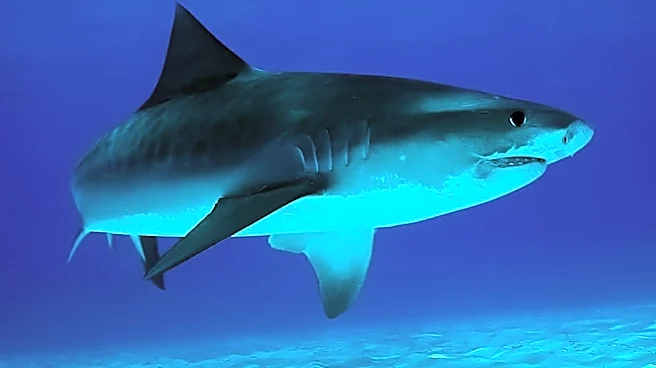
Some shark species are experiencing substantial population declines, with certain species seeing a reduction of over 90% primarily due to overfishing. This alarming trend highlights a global issue concerning shark conservation. However, in contrast to these
widespread declines, sharks are reported to be thriving in the Bahamas. This region stands out as one of the few places globally where the killing of a shark is illegal, indicating strong protective measures. Researchers utilize tools like shark dichotomous keys to accurately identify different shark species, which is crucial for studying their distribution, population dynamics, and ecological roles. This information is vital for understanding and implementing effective conservation strategies for these marine predators.
Why It's Important?
The significant decline in shark populations has profound implications for marine ecosystems and biodiversity. Sharks are apex predators, and their reduction can lead to trophic cascades, disrupting the delicate balance of ocean food webs. This imbalance can affect fish populations, coral reefs, and overall ocean health, which in turn impacts commercial fishing industries and coastal economies reliant on healthy marine environments. The success of shark populations in the Bahamas demonstrates the effectiveness of robust conservation policies and legal protections. This contrast underscores the critical need for international cooperation and stricter regulations to combat overfishing and protect vulnerable shark species worldwide, ensuring the long-term sustainability of marine life and the ecosystems they inhabit.
What's Next?
The ongoing decline in shark populations necessitates a continued focus on conservation efforts and the implementation of more stringent fishing regulations globally. Future actions will likely involve expanding protected marine areas, similar to the Bahamas, where shark hunting is prohibited. There will also be an increased emphasis on international agreements to manage fishing quotas and combat illegal, unreported, and unregulated (IUU) fishing practices that disproportionately affect shark populations. Furthermore, research into shark behavior, migration patterns, and reproductive cycles will be crucial to inform targeted conservation strategies. Public awareness campaigns will also play a role in shifting perceptions about sharks and garnering support for their protection, moving towards a future where these vital predators can recover and thrive.
Beyond the Headlines
The plight of shark populations extends beyond immediate ecological concerns, touching upon ethical considerations regarding human impact on wildlife and the broader implications for ocean health. The decline of these ancient predators signals a potential shift in marine biodiversity that could have unforeseen long-term consequences for the planet's climate regulation and oxygen production, given the ocean's role in these processes. The success story in the Bahamas offers a blueprint for how dedicated conservation efforts can reverse negative trends, highlighting the importance of political will and community engagement in environmental protection. This situation also prompts a deeper reflection on sustainable resource management and the responsibility of current generations to preserve natural heritage for future ones, emphasizing the interconnectedness of all life on Earth.