



What's Happening?
Hollywood executive Ari Emanuel, along with his brothers Zeke and Rahm Emanuel, has donated $550,000 to a program aimed at training Palestinian doctors from the West Bank at the Tel Aviv Sourasky Medical Center in Israel. This significant contribution,
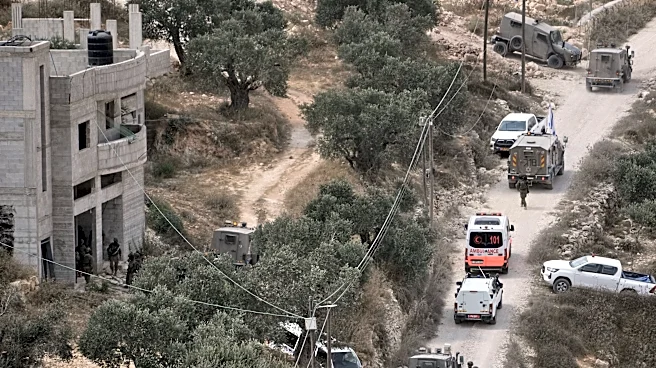
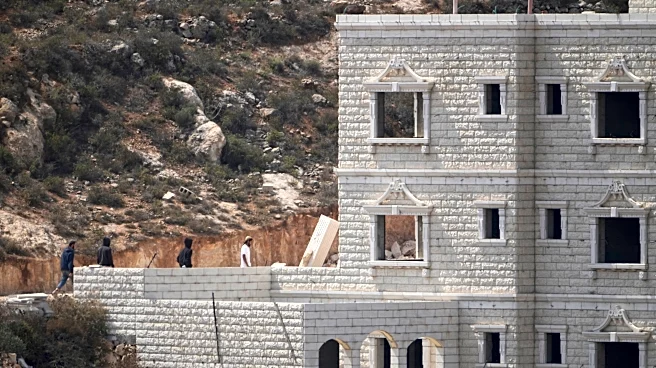
made through the non-profit organization Rozana and its American arm, Rozana USA, is the largest private donation the organization has ever received. The funds are specifically designated to support the training of pediatric doctors and nurses from An-Najah University Hospital in Nablus, a city in the West Bank. The ultimate goal of this initiative is to establish the first dedicated children’s hospital in that region. The donation comes amidst growing international concerns regarding healthcare access in the West Bank, particularly in light of increased attacks from Israeli settlers and reports from organizations like Médecins Sans Frontières highlighting difficulties Palestinians face in accessing basic healthcare due to restrictions and insecurity.
Why It's Important?
This donation is significant for several reasons, primarily its potential to improve healthcare services for Palestinian children in the West Bank, a region where access to basic medical care is often challenging. By training local medical professionals, the initiative aims to build sustainable healthcare infrastructure and expertise within the Palestinian community. Beyond the immediate medical benefits, the Emanuel brothers stated that this contribution seeks to 'leverage the field of healthcare to build constructive, trusting relations between Israeli and Palestinian medical professionals, bridging the divide.' This aspect highlights the broader diplomatic and social implications of the donation, suggesting that collaborative healthcare efforts can serve as a pathway for fostering understanding and cooperation in a politically charged environment. The involvement of prominent U.S. figures like the Emanuels also draws international attention to the humanitarian and political complexities of the region.
What's Next?
The immediate next step involves the implementation of the training program for pediatric doctors and nurses from An-Najah University Hospital at the Tel Aviv Sourasky Medical Center. This training is a crucial precursor to the long-term goal of establishing the first dedicated children’s hospital in the West Bank. Success in this initial phase could pave the way for further collaborative healthcare initiatives between Israeli and Palestinian medical institutions. The impact of this donation will likely be monitored by humanitarian organizations and international bodies concerned with healthcare access in the West Bank. Should the program prove successful in both its medical and diplomatic aims, it could serve as a model for future cross-border cooperation in other critical sectors, potentially influencing broader peace-building efforts in the region. The Emanuel brothers' continued involvement or similar philanthropic efforts from other prominent figures could also be a development to watch.
Beyond the Headlines
The Emanuel brothers' donation transcends a simple act of philanthropy; it delves into the complex interplay of humanitarian aid, political diplomacy, and cross-cultural collaboration in one of the world's most contentious regions. By focusing on healthcare, a universal need, the initiative attempts to create a neutral ground for cooperation, potentially bypassing some of the entrenched political obstacles. This effort highlights the concept of 'medical diplomacy,' where health initiatives are used as tools to build bridges and foster trust between communities in conflict. The long-term implications could include not only improved health outcomes for Palestinian children but also a subtle shift in perceptions and relationships between Israeli and Palestinian medical professionals, potentially fostering a sense of shared humanity and common purpose. However, the success of such initiatives often depends on sustained commitment and the ability to navigate the broader political landscape, which remains highly volatile.