



What's Happening?
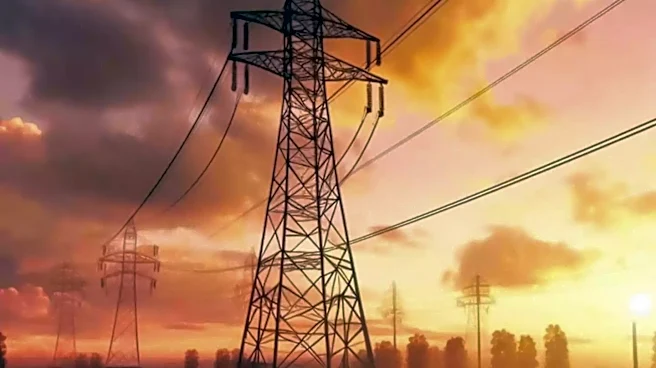
The U.S. power grid is under significant stress due to a combination of extreme heatwaves and increased electricity demand from data centers. The PJM Interconnection LLC, which serves 67 million people from Chicago to Washington, D.C., has been particularly
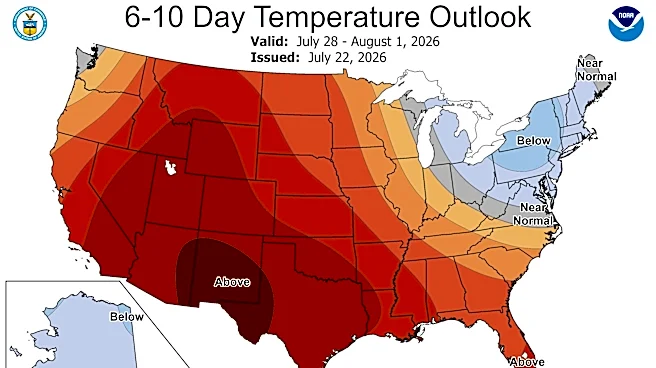
affected. The grid experienced a record power demand of 168 gigawatts on July 2, surpassing a two-decade high. This surge in demand is attributed to high temperatures and the growing electricity needs of data centers, especially in Virginia's Data Center Alley. Emergency alerts have been issued across multiple grids, including the Midcontinent Independent System Operator and the Southwest Power Pool, which manage electricity systems from the Midwest to the Rocky Mountains. The situation is exacerbated by climate change, which increases humidity and prolongs power demand into the evening.
Why It's Important?
The strain on the power grid highlights vulnerabilities in the U.S. energy infrastructure, which could lead to potential blackouts and reliability issues. As demand for electricity is expected to nearly double over the next decade, the need for investment in grid infrastructure becomes critical. The current situation underscores the challenges of balancing increased power needs with the existing capacity of aging transmission systems. This has significant implications for industries reliant on stable power, such as technology and manufacturing, and raises concerns about the grid's ability to support future growth, particularly in regions with high concentrations of data centers.
What's Next?
To address these challenges, PJM plans to hold an emergency auction after the summer to ensure data centers contribute to the generation costs they incur. However, experts warn that resolving these issues will require years and potentially trillions of dollars in investment. The grid's ability to handle future demand, especially during extreme weather events, remains uncertain. Stakeholders, including utilities and regulators, are working to enhance grid reliability and capacity, but the transition will be complex and costly.
Beyond the Headlines
The current grid challenges reflect broader issues related to energy policy and climate change. As the U.S. transitions to renewable energy sources, ensuring that the grid can accommodate new types of generation while maintaining reliability is crucial. The situation also raises questions about the role of data centers in energy consumption and the need for sustainable practices in the tech industry. Long-term solutions will require coordinated efforts across government, industry, and civil society to build a resilient and sustainable energy infrastructure.