



What's Happening?
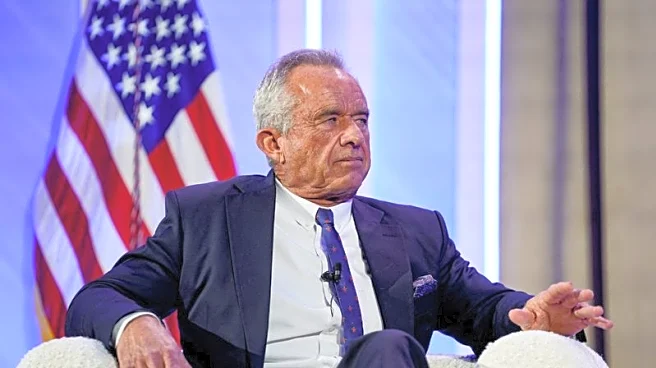
On February 13, 2026, Health and Human Services (HHS) Secretary Robert F. Kennedy Jr. announced a significant reorganization of the department's senior leadership. Chris Klomp, who is the director of Medicare and deputy administrator of the Centers for
Medicare and Medicaid Services (CMS), has been appointed to oversee all department operations. This move is part of a broader strategy to streamline management and enhance the implementation of the administration's health policies. The reorganization aims to focus on key initiatives such as drug pricing, dietary guidelines, and regulatory reforms. Other notable appointments include Kyle Diamantas and Grace Graham, who will serve as senior counselors while maintaining their current roles. The changes are intended to align with the administration's 'Make America Healthy Again' priorities, which include adjustments to dietary guidelines and initiatives to increase healthcare affordability.
Why It's Important?
The restructuring of HHS leadership underlines the Trump administration's emphasis on health policy as a critical area ahead of the midterm elections. By placing experienced leaders like Chris Klomp in pivotal roles, the administration aims to effectively negotiate drug prices and implement cost controls, particularly for Medicare Advantage. These changes are expected to have significant implications for healthcare affordability and accessibility, potentially benefiting millions of Americans. The focus on dietary guidelines and the elimination of artificial food dyes also reflects a broader public health strategy aimed at improving national health outcomes. The leadership changes could lead to more efficient policy implementation and a stronger alignment with the administration's health priorities.
What's Next?
As the new leadership team settles into their roles, the focus will likely shift to executing the administration's health policy agenda. This includes negotiating with drug manufacturers to lower costs and implementing new dietary guidelines. The upcoming midterm elections may further influence the administration's health policy decisions, as they seek to demonstrate progress and appeal to voters. Stakeholders such as healthcare providers, insurers, and pharmaceutical companies will be closely monitoring these developments, as they could impact industry practices and regulatory requirements. The administration's ability to effectively implement these changes will be crucial in determining their success in improving healthcare affordability and accessibility.