






What's Happening?
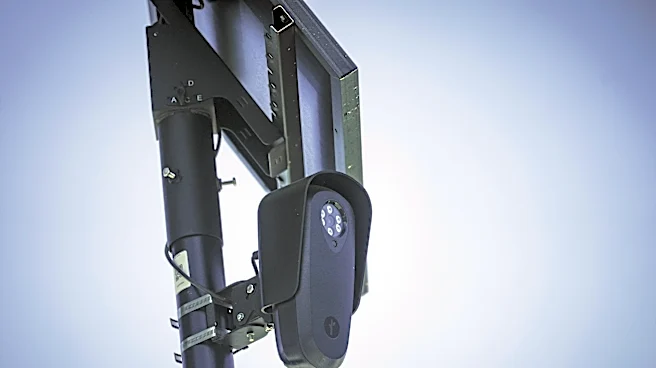
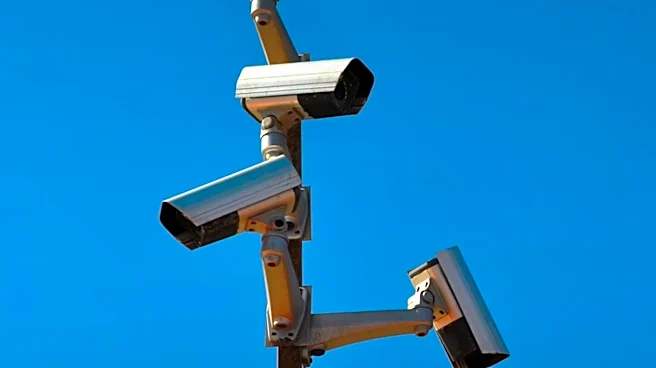
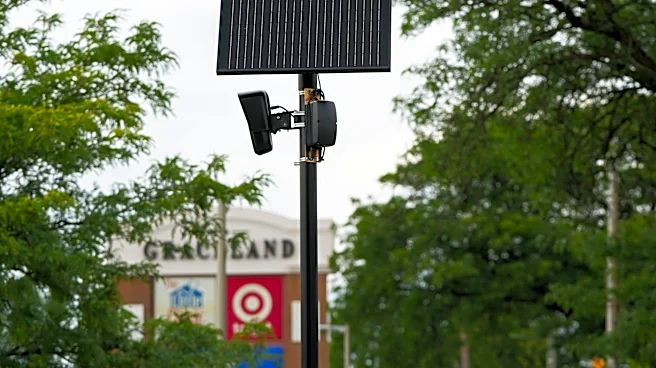
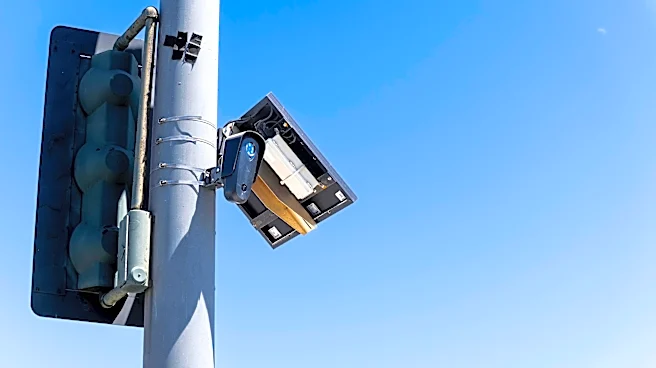
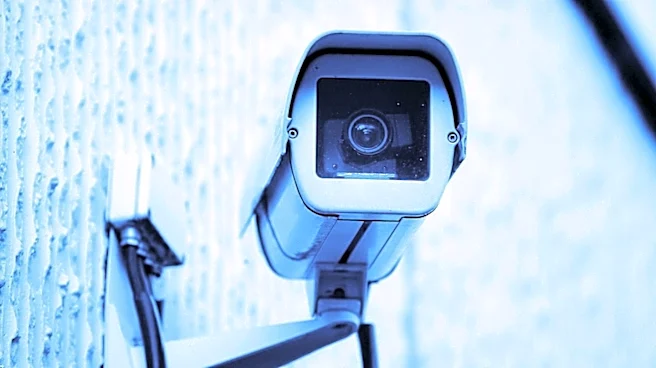
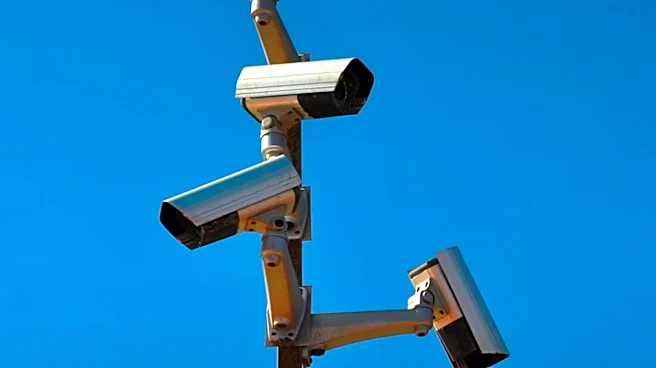
Alabama Power, the state's largest investor-owned utility, has become a key intermediary in the widespread deployment of surveillance cameras and automated license plate readers (ALPRs) across Alabama. The company markets and installs equipment from companies
like Flock Safety to over 80 municipalities, businesses, and community organizations. These surveillance systems are often attached to Alabama Power's utility poles, providing easy access to power and optimal placement. The utility then bills customers for the equipment and services, often as a line item on their power bills. This arrangement has led to concerns from residents and surveillance scholars regarding privacy, data misuse, and the lack of transparency surrounding these contracts. Birmingham, for instance, approved a $9.7 million contract with Alabama Power to install and maintain 100 cameras and license plate readers, adding to 330 already in place, with U.S. Senator Katie Britt reportedly involved in securing federal funding for surveillance tech.
Why It's Important?
Alabama Power's extensive involvement in the surveillance industry raises significant questions about the intersection of public utilities, private data, and civil liberties. The utility's control over essential infrastructure, such as power poles, gives it a unique and powerful position in facilitating widespread surveillance. This model bypasses traditional procurement processes, as cities often contract directly with Alabama Power without competitive bidding, citing public safety exceptions. The lack of transparency in these contracts means that residents and even city officials may not fully understand the scope of data collection, retention policies, or who has access to this sensitive information. The potential for misuse of ALPR data, which can track individuals' movements, has been documented, leading to concerns about unwarranted surveillance and the erosion of privacy rights for Alabama citizens.
What's Next?
The growing concerns about Alabama Power's role in surveillance are likely to lead to increased scrutiny from privacy advocates, civil liberties groups, and potentially state legislators. State Senator Arthur Orr, who previously introduced legislation to regulate ALPRs, plans to reintroduce an updated bill in the 2027 legislative session, aiming to establish guardrails for the technology. This legislative effort could mandate greater transparency, secure data storage, and criminal penalties for misuse. Public pressure may also push municipalities to re-evaluate their contracts with Alabama Power and Flock Safety, demanding more public input and clearer policies on data governance. The debate will continue to center on balancing public safety with individual privacy rights, and how to ensure accountability for the collection and use of sensitive location data.
Beyond the Headlines
This situation highlights a broader trend of public-private partnerships in surveillance, where essential service providers become conduits for data collection. The convenience offered by Alabama Power's existing infrastructure and billing mechanisms makes it an attractive partner for municipalities, but it also obscures the true costs and implications of widespread surveillance. The ethical dimensions are profound: should a utility company, which holds a near-monopoly on a vital service, also be a primary facilitator of surveillance technology? This arrangement blurs the lines of responsibility and accountability, making it difficult for citizens to understand who is collecting their data, how it's being used, and who to hold responsible for potential abuses. It underscores the need for robust regulatory frameworks and public discourse to address the evolving challenges of privacy in an increasingly monitored society.