



What's Happening?
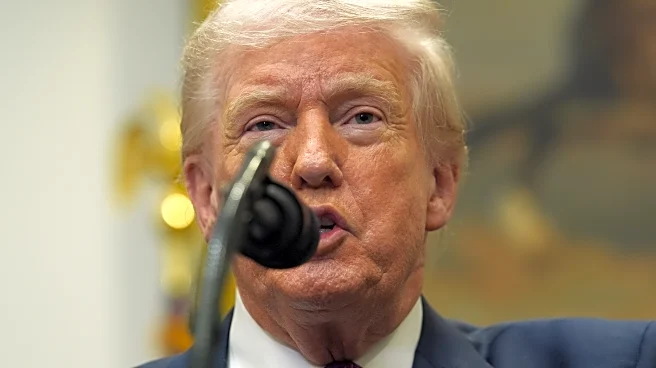
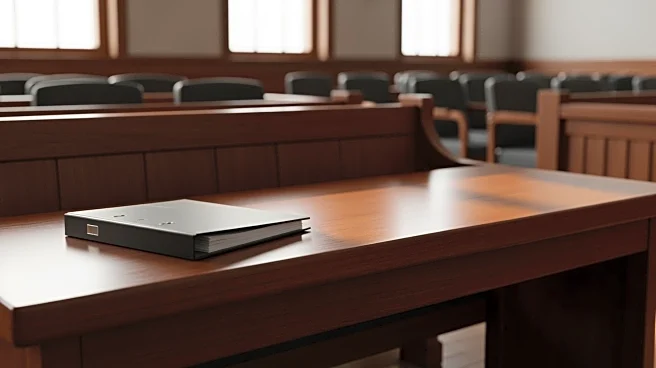
A federal judge in Michigan has denied the Trump administration's request to access the state's unredacted voter rolls. Judge Hala Jarbou, appointed by President Trump, ruled that the National Voter Registration Act does not mandate the disclosure of
private voter registration information, as it could infringe on First Amendment rights. The Department of Justice (DOJ) had sought this information to assess Michigan's compliance with federal voter list maintenance requirements. Michigan, a key swing state, had already provided a redacted version of the voter rolls, omitting sensitive personal data such as full birth dates and Social Security numbers, citing privacy laws. The DOJ's lawsuit is part of a broader effort to obtain similar data from other states, including California and Oregon, where courts have also ruled against the DOJ.
Why It's Important?
This ruling underscores the ongoing tension between federal and state authorities over voter privacy and the extent of federal oversight in state election processes. The decision is significant as it protects voter privacy and limits federal power, reinforcing the autonomy of state election officials. The outcome could influence similar cases across the country, potentially affecting how voter data is handled in future elections. The ruling also highlights the judiciary's role in balancing privacy rights against federal interests, particularly in politically sensitive contexts like voter registration.
What's Next?
The DOJ has not yet indicated whether it will appeal the decision. Meanwhile, similar cases in other states may continue to shape the legal landscape regarding voter data disclosure. The outcome of these cases could set precedents for how federal and state authorities interact over election-related data, potentially influencing future legislative or judicial actions.