





What's Happening?
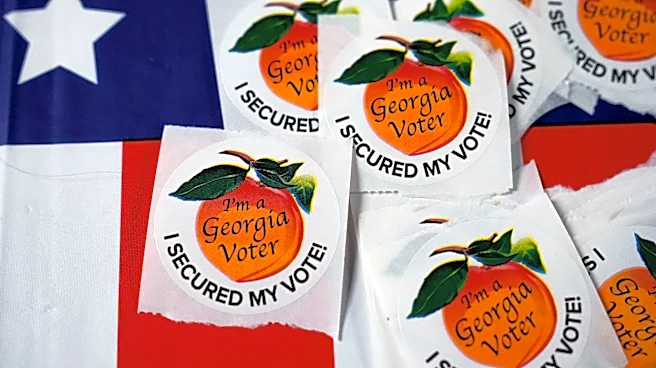
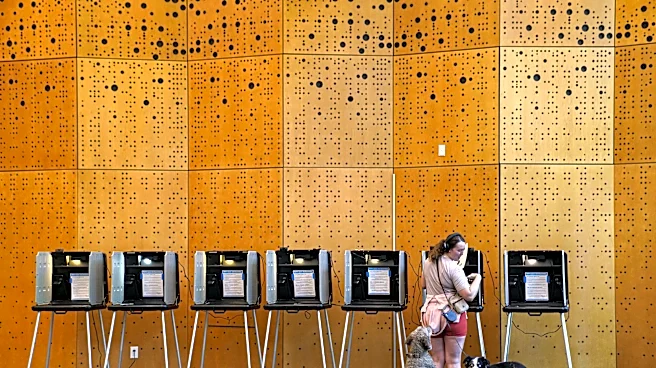
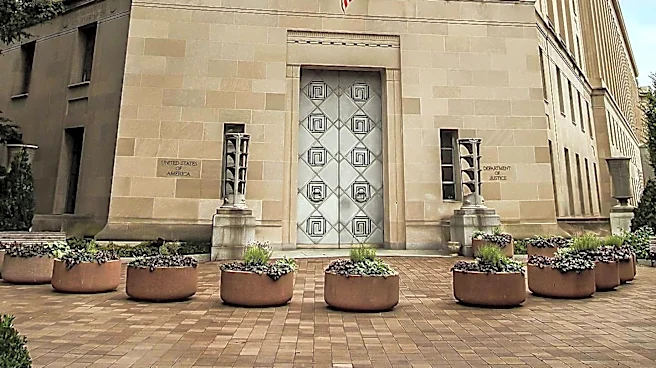
A federal judge has ruled against the U.S. Department of Justice's attempt to obtain the names and personal contact information of individuals who worked during the 2020 election in Georgia's Fulton County. The Justice Department had issued a grand jury
subpoena in April seeking this information, which was challenged by Fulton County. The county argued that the subpoena was overly broad and intended to target political opponents of President Trump. U.S. District Judge William Ray quashed the subpoena, citing the low necessity for the information and the burdensome nature of its disclosure. The judge also noted that the statute of limitations for any potential crimes related to the 2020 election had expired, rendering the information unusable for prosecution.
Why It's Important?
This ruling is significant as it underscores the limitations of federal investigative powers, particularly in politically sensitive cases. The decision protects the privacy of election workers and may prevent potential harassment or targeting based on political affiliations. It also highlights the ongoing legal and political battles surrounding the 2020 election, particularly in states like Georgia, which were pivotal in the election outcome. The ruling may influence how future subpoenas are crafted and challenged, especially in cases involving election integrity and political disputes.
What's Next?
The Justice Department may consider appealing the decision or seeking alternative methods to gather information relevant to their investigation. Meanwhile, the ruling could embolden other jurisdictions to resist similar federal subpoenas, potentially leading to more legal confrontations. The decision may also prompt discussions on legislative reforms to clarify the scope of grand jury subpoenas and the protection of personal information in politically charged investigations.